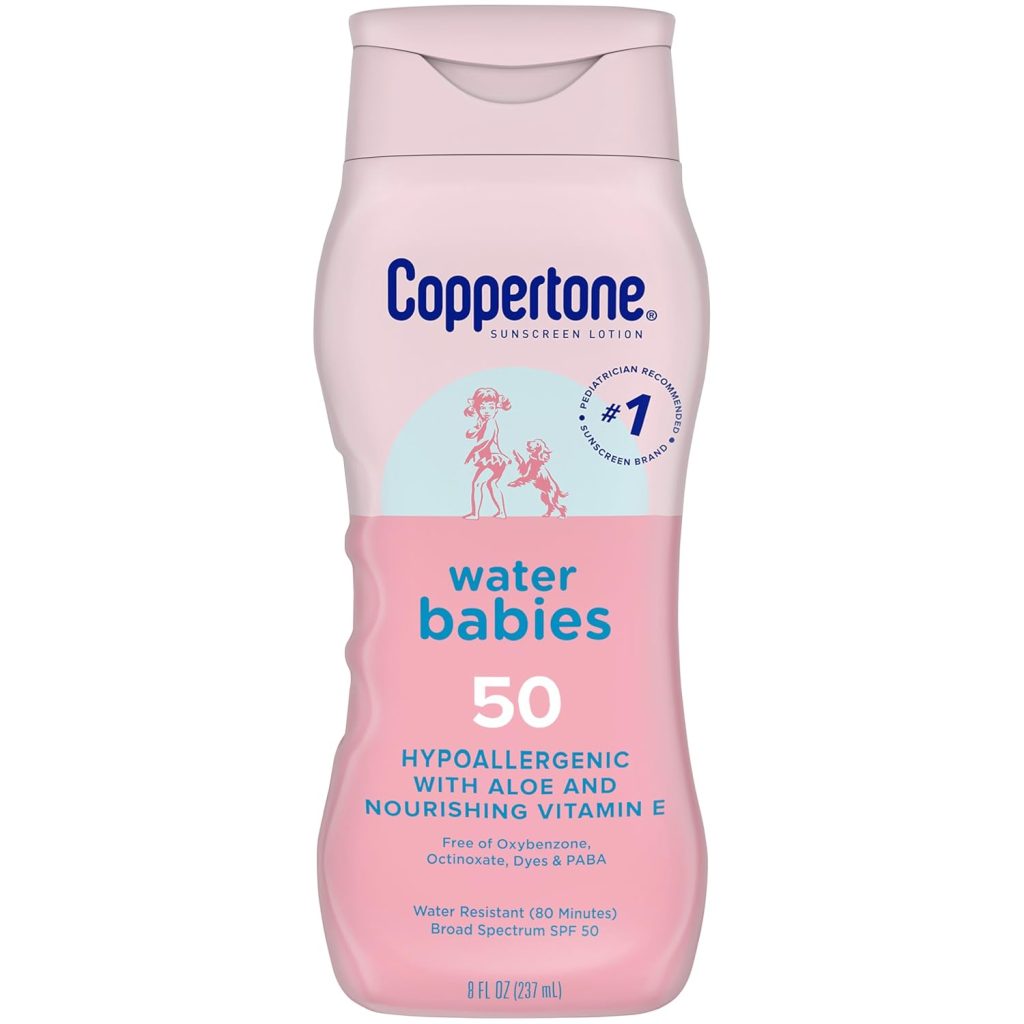
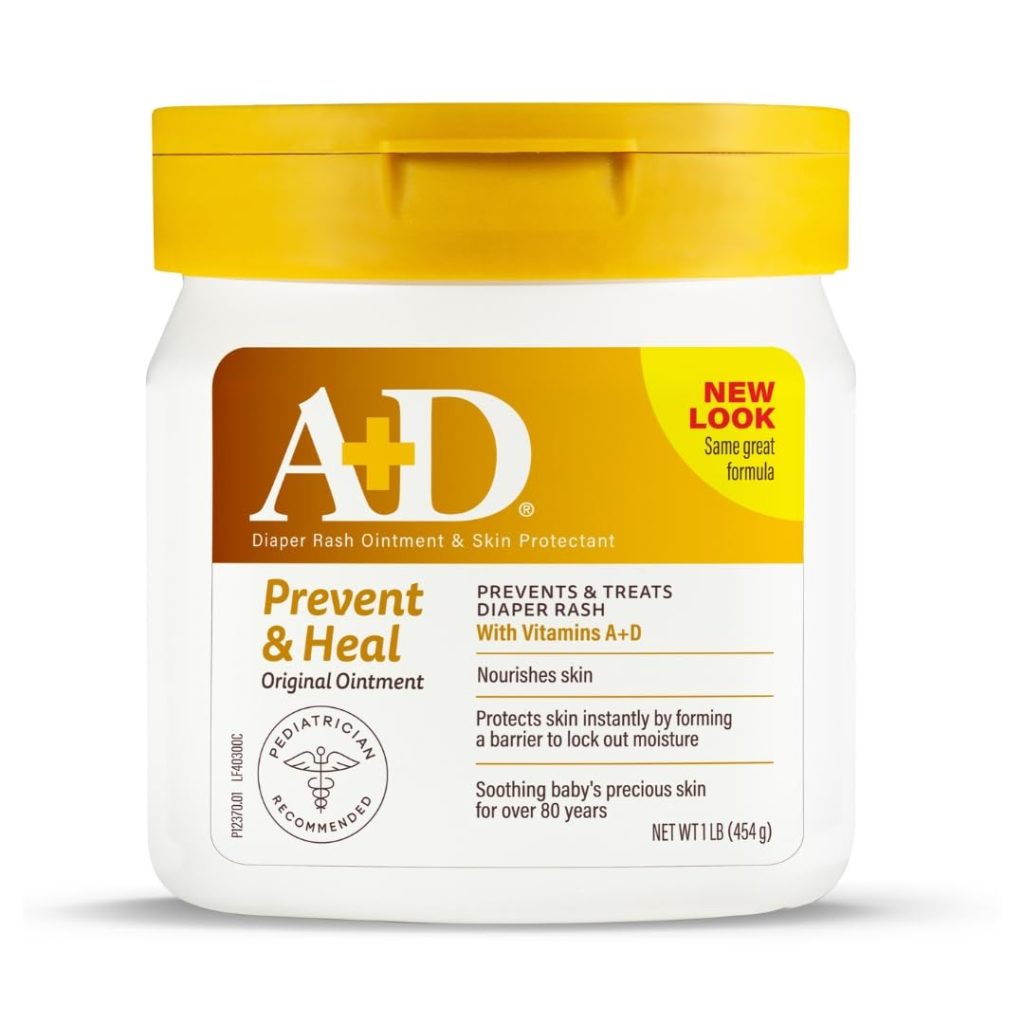
Label Claim Water-resistant sunscreen is not waterproof sunscreen. In the United States, a sunscreen that claims water resistance must state whether testing supports 40 minutes or 80 minutes of effectiveness while swimming or sweating. That number is a test-based label claim, not a promise that one application lasts through an entire day in the water. […]
Category Archives: Baby Skincare
10
Sep
Sep
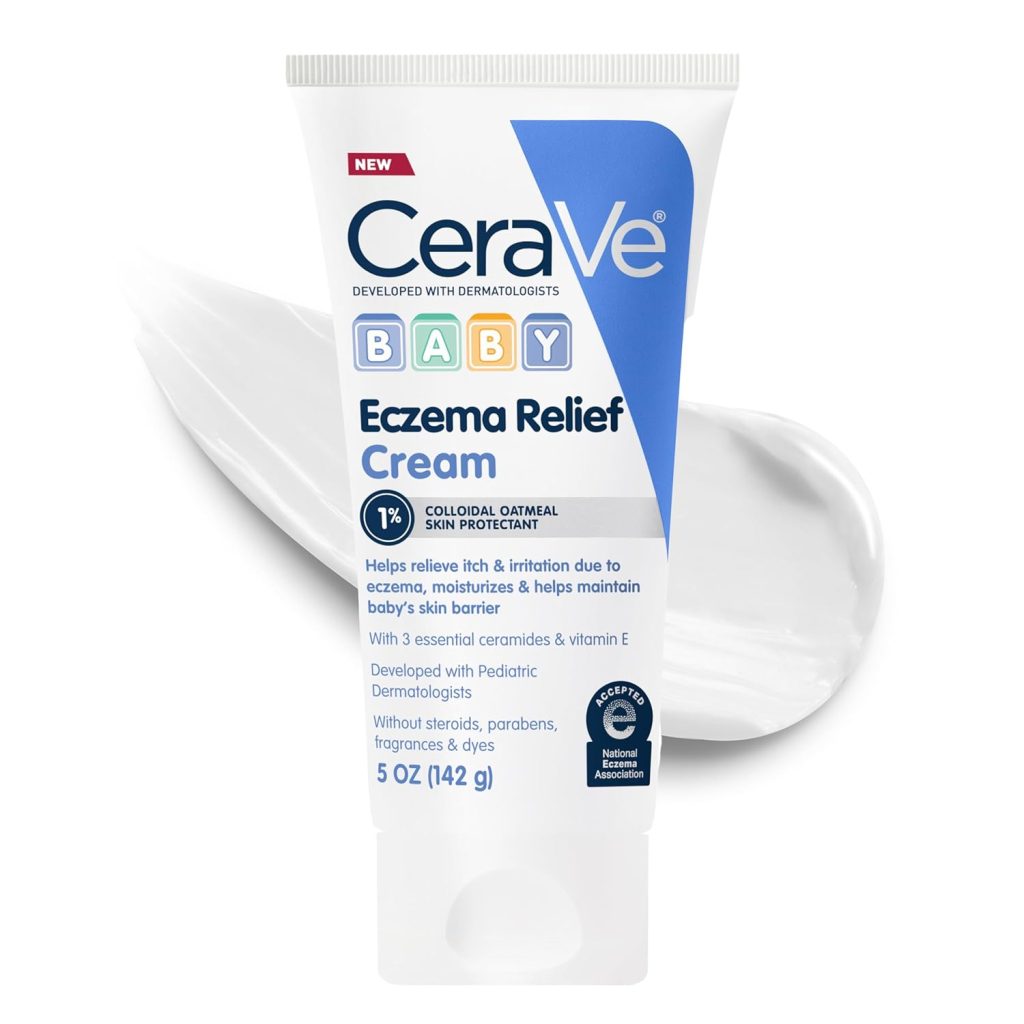
Moisturizer Ingredients Ceramides and colloidal oatmeal often appear on moisturizers aimed at dry or sensitive skin, but they are not interchangeable ingredients. Ceramides are lipid components associated with the skin barrier, while colloidal oatmeal is a finely milled oat preparation used in topical products for soothing and protective functions. The finished formula matters more than […]
10
Sep
Sep
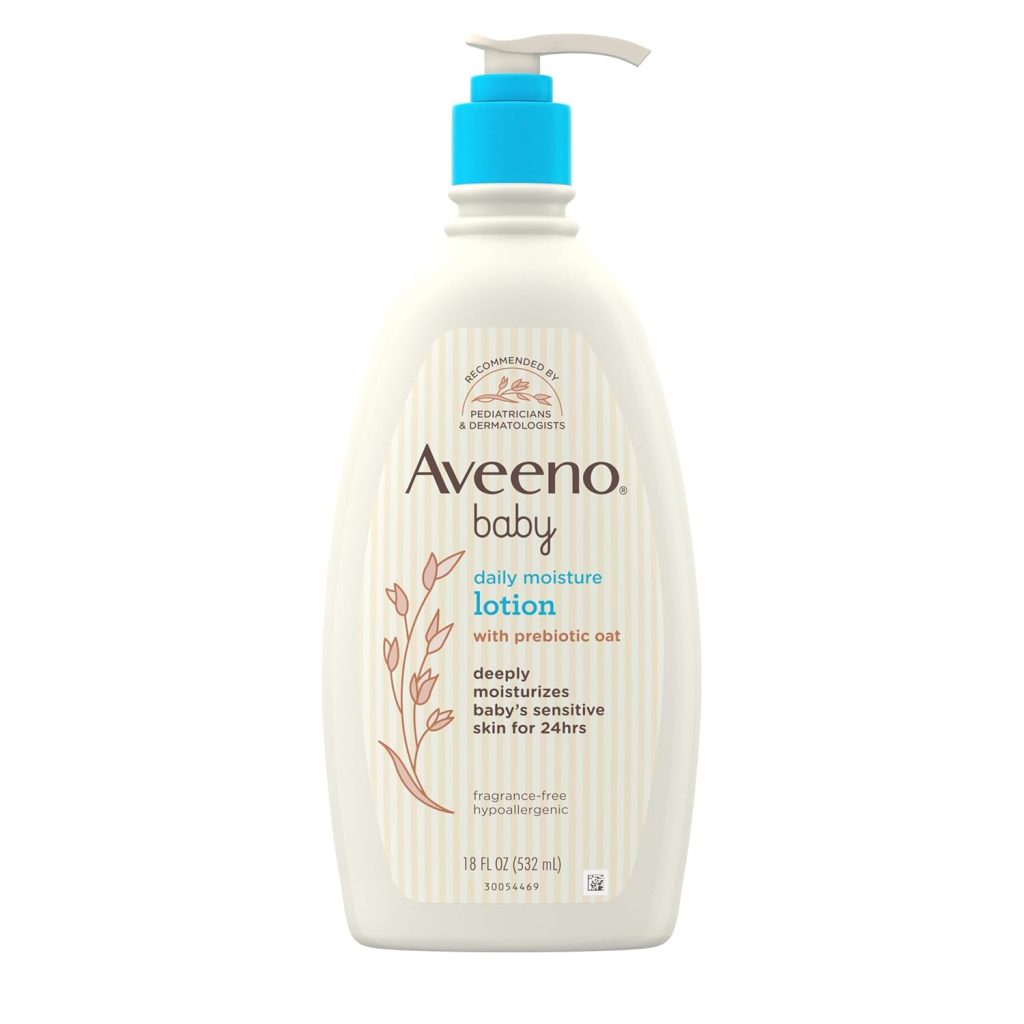
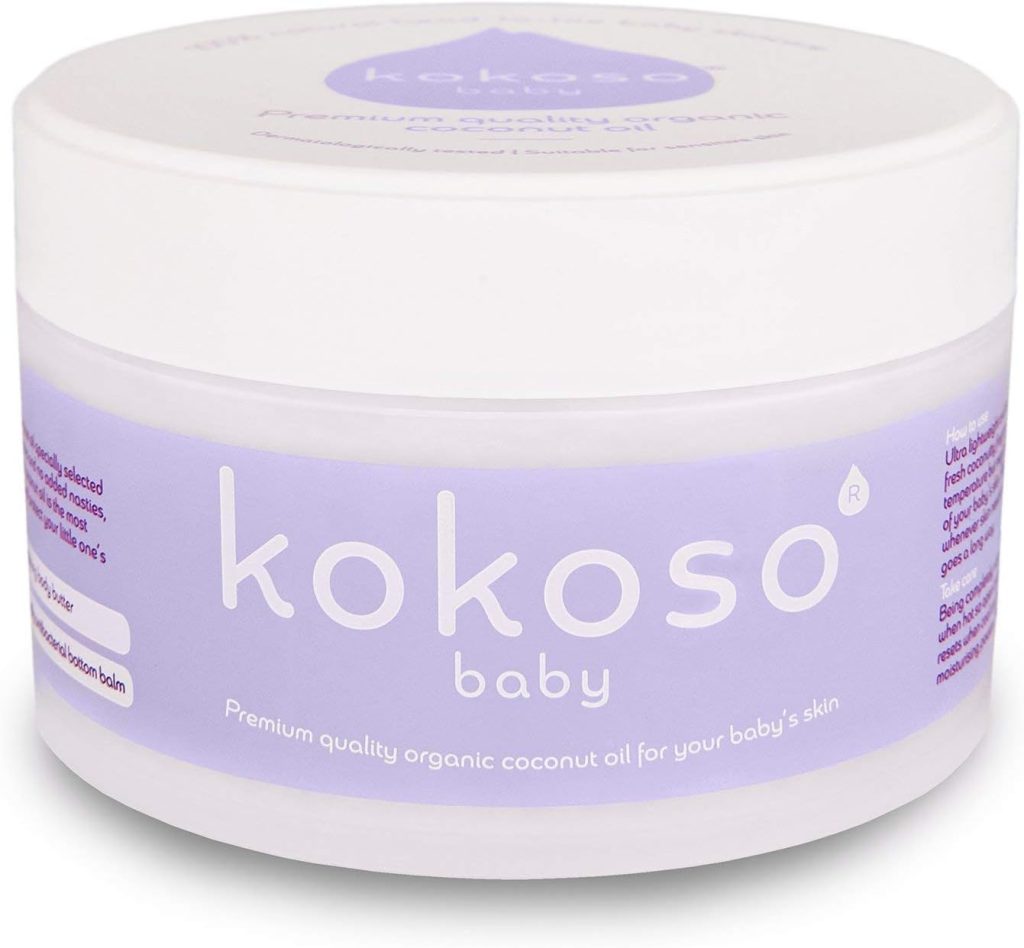
Texture Comparison Baby oil and baby lotion can both leave skin feeling softer, but they get there through different product structures. Lotion is an emulsion that contains water and oil-phase ingredients. Baby oil is primarily oil-based. That distinction affects spread, residue, bottle design, and how each fits after bathing or during massage. Why Lotion Often […]
10
Sep
Sep
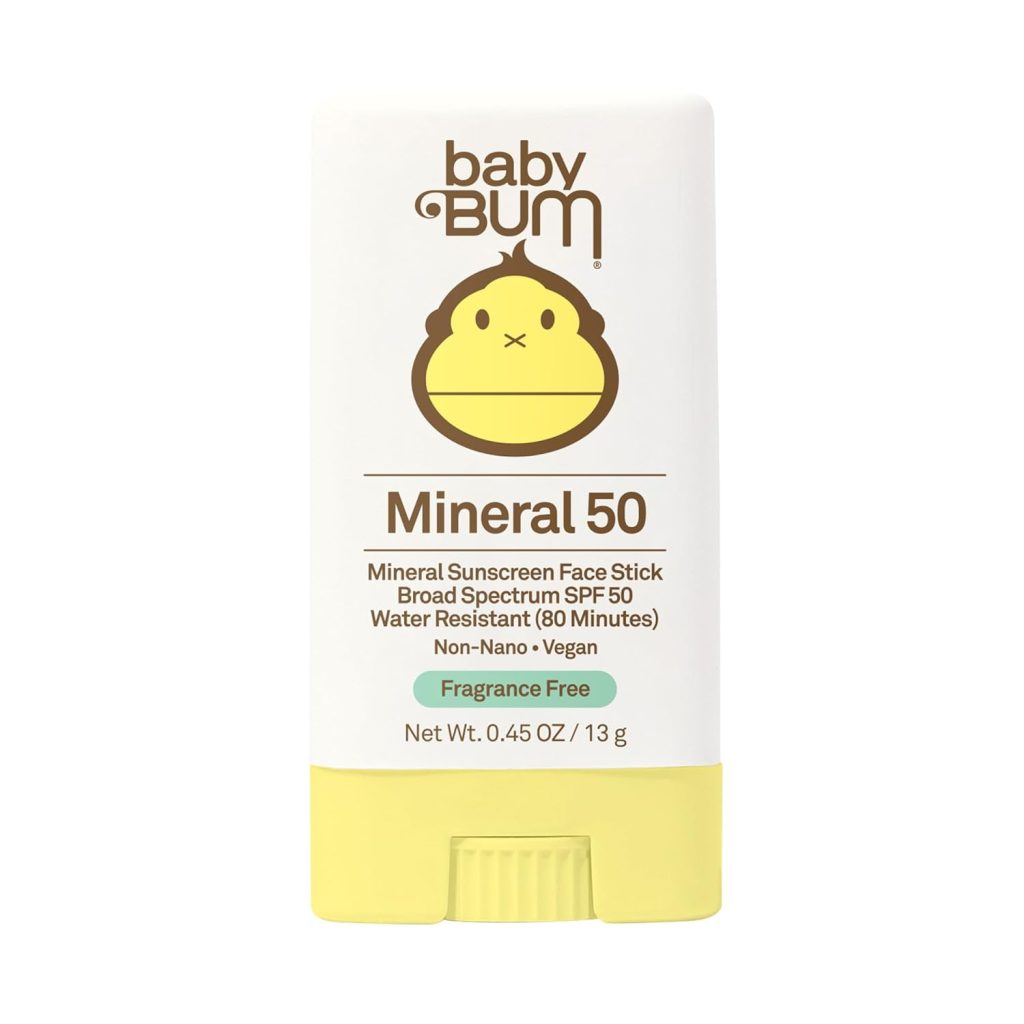
Ingredient Families Mineral oil and plant oils are often framed as opposites, but a useful comparison is less dramatic. Both are oil-phase ingredients used to soften skin and reduce moisture loss. The practical differences are in source, fatty-acid composition, processing, added ingredients, stability, fragrance, and how the finished product feels. Mineral Oil Offers A Consistent […]
10
Sep
Sep
Sun Filter Comparison “Mineral” and “chemical” are convenient shopping labels, but sunscreen is regulated around active ingredients, SPF, broad-spectrum testing, water-resistance claims, directions, and warnings. For babies and children, age and sun-avoidance guidance matter before the filter debate even starts. For young babies, shade comes first.American Academy of Pediatrics guidance recommends keeping babies younger than […]
10
Sep
Sep
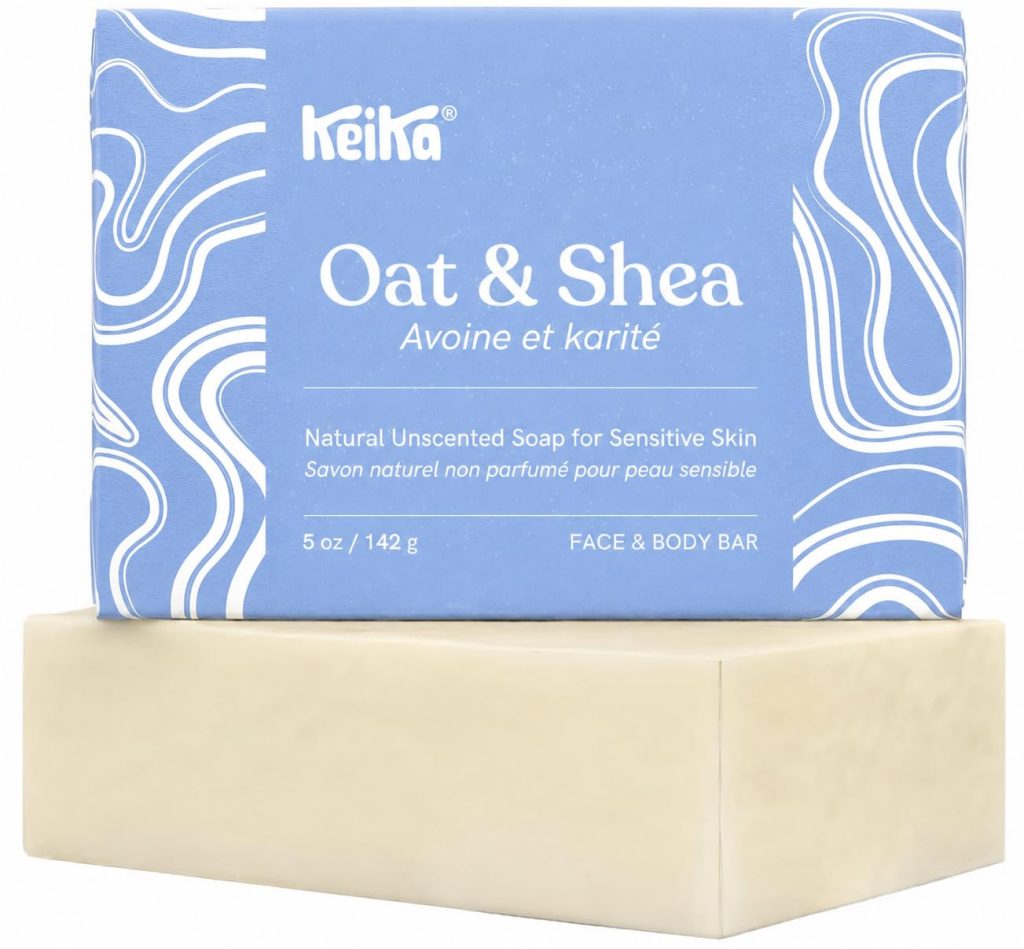
Format Comparison Powder and diaper cream can sit beside each other in a changing area, but they do different jobs. A powder is a loose format usually associated with moisture or friction management, while a cream, ointment, or paste can leave a semisolid barrier on the skin. Choosing between them starts with the problem, not […]
10
Sep
Sep
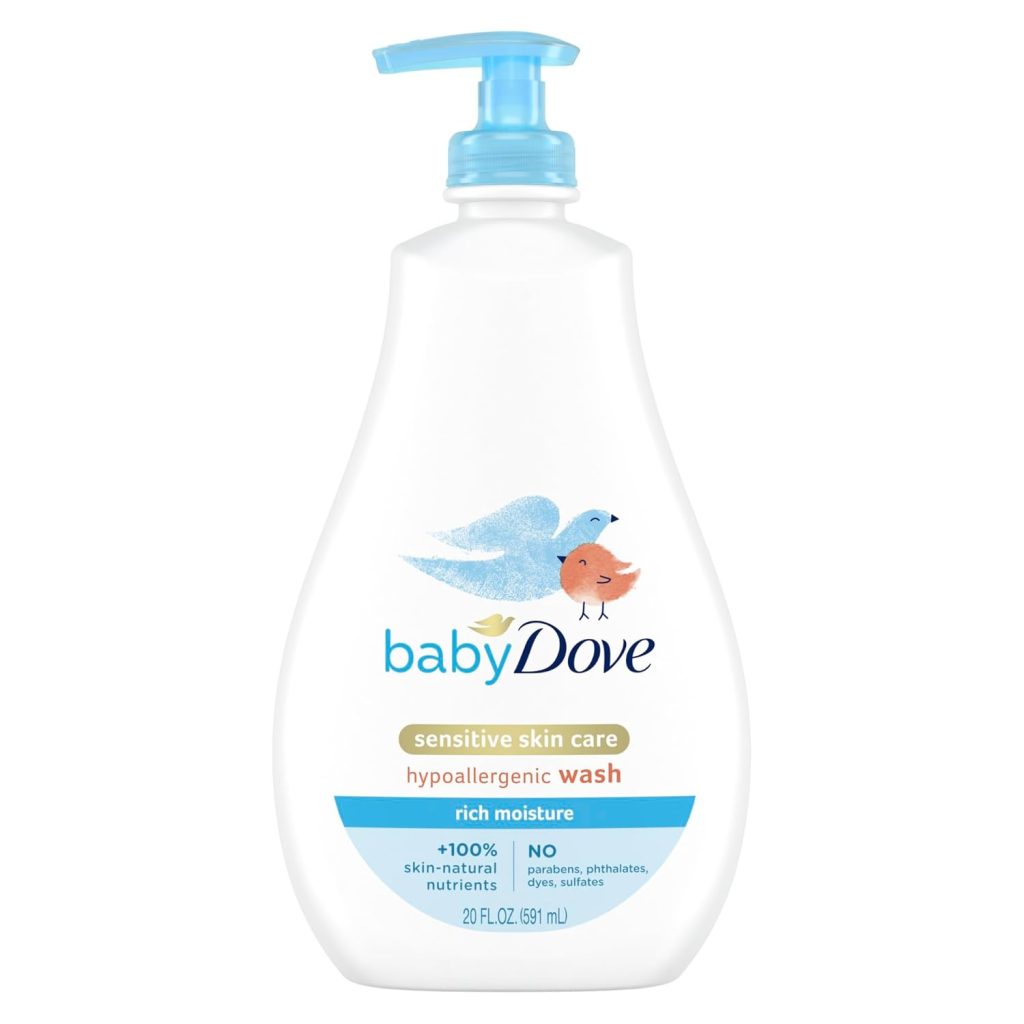
Label Reading A cleanser ingredient list can look technical, but you do not need to memorize every chemical name to compare two baby washes. Group the ingredients by what they do: cleanse, hold water, soften skin, preserve the formula, add fragrance, or support a specific label claim. The baby cleansers provides the live catalog context […]
10
Sep
Sep
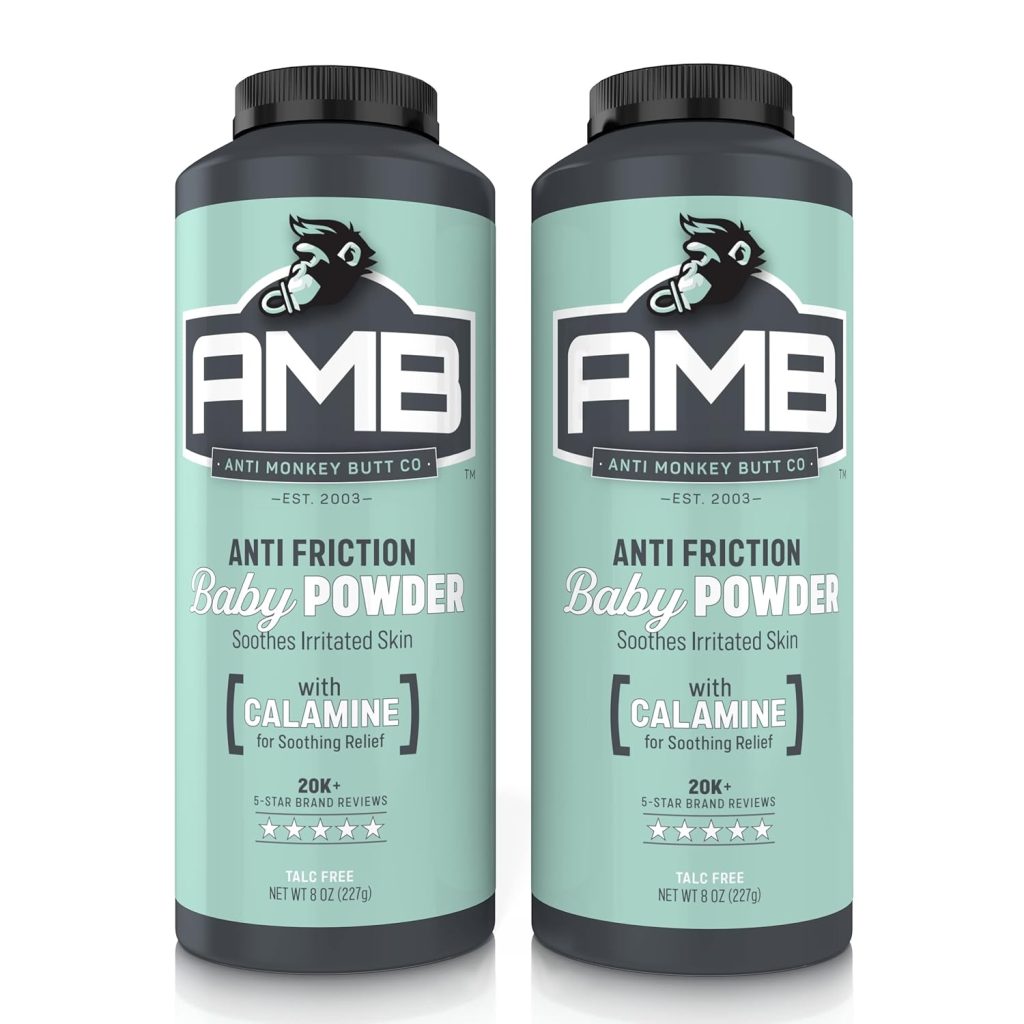
Buyer Question “Tear-free” is one of the most familiar phrases on baby wash packaging, yet it is easy to read more into the phrase than it actually says. It is best used as one clue about how a cleanser is formulated and positioned—not as permission to get the product into a baby’s eyes. The baby […]
10
Sep
Sep
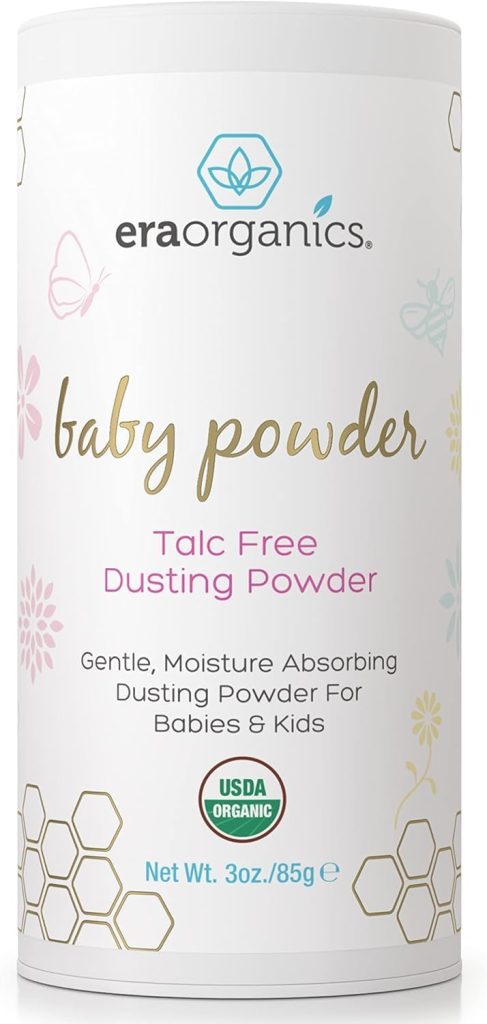
Ingredient Focus A zinc oxide powder is not simply a standard dusting powder with an extra ingredient. Some products identify zinc oxide as an active skin-protectant ingredient and provide a percentage, while others may use different regulatory or cosmetic labeling. That distinction changes what a shopper should read before comparing products. The baby powders provides […]
10
Sep
Sep
Use & Handling The safest way to think about baby powder starts before application: decide whether a loose powder is needed at all. The American Academy of Pediatrics’ HealthyChildren guidance advises avoiding baby powder for infants and children because inhalation can injure or irritate the lungs. If a caregiver is nevertheless using a powder under […]