Start with the powder base
Check whether the current formula uses cornstarch, talc, arrowroot, clay, or another base. Similar product names do not always mean the same formula.
Compare baby powder listings by powder base, fragrance, container size, label claims, and the current application directions shown for each product.
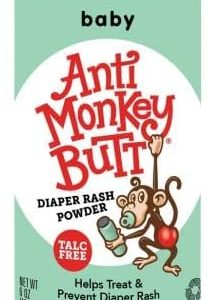
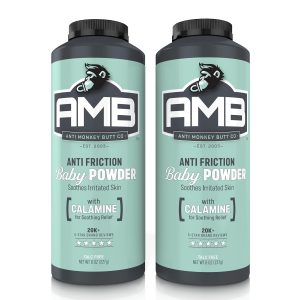
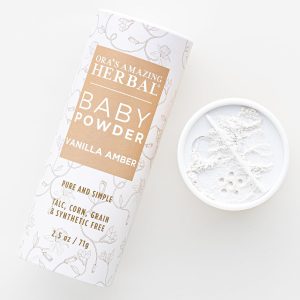


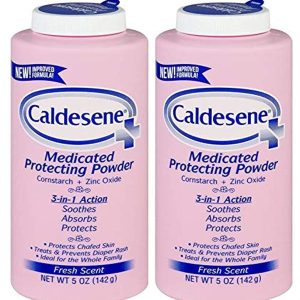


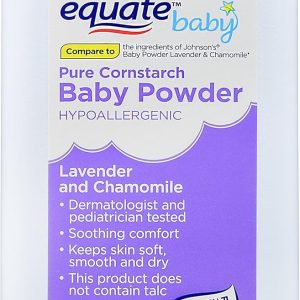


Products belong to their respective brands and sellers. BabySkincare.net provides comparison information and does not manufacture, stock, ship, or directly sell the items shown here.
The powder base, added ingredients, scent, container format, and label directions can vary widely. Compare the current package rather than treating every powder as interchangeable.
Check whether the current formula uses cornstarch, talc, arrowroot, clay, or another base. Similar product names do not always mean the same formula.
Read the current label for fragrance, calamine, botanicals, or other added ingredients that may affect which listing fits your preferences. For more context, see Baby Powder Safety Guide.
Container style and directions can differ. Use the current package guidance for application, storage, and any warnings rather than relying on older seller text.
Use a focused Product Tag to see a smaller group of current listings, or open a relevant guide when you need more context before comparing products.
Use these answers as general shopping context, then confirm the current directions, warnings, and product details on the individual package or retailer listing.
Baby powder is commonly used to help absorb extra moisture and reduce friction in areas where skin may feel damp. It can be useful after diaper changes, bath time, or during warm weather when used carefully and as directed.
Many parents prefer talc-free baby powders made with ingredients such as cornstarch, arrowroot, or other gentle absorbent powders. Always check the product label and choose a formula suitable for your baby’s delicate skin.
Apply a small amount to your hand first, then gently smooth it onto dry skin. Avoid shaking powder directly near your baby’s face, and keep it away from the nose and mouth to reduce inhalation risk.