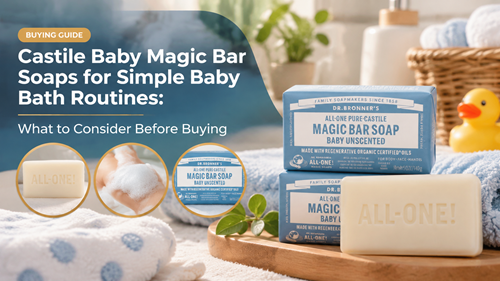
Castile Baby Magic Bar Soaps for Simple Baby Bath Routines is easiest to judge when parents separate the product name from the job it needs to do. Caregivers comparing simple solid cleansers for everyday baby bath time. The useful questions are practical: how the format behaves with wet hands, how much cleanser is really needed, […]
Category Archives: Baby Skincare
30
Sep
Sep
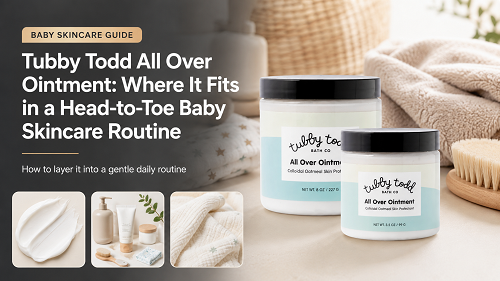
Tubby Todd All Over Ointment is the product at the center of this guide. Tubby Todd All Over Ointment is a rich moisturizer with 1% colloidal oatmeal as the active skin-protectant ingredient. The current formula also contains beeswax, glycerin, jojoba esters, and multiple plant extracts, with fragrance-free and lavender-rosemary options. The goal is not to […]
28
Sep
Sep
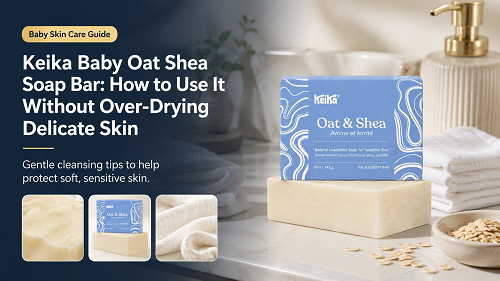
Keika Baby Oat Shea Soap Bar is the product at the center of this guide. Keika’s Oat & Shea Bar is an unscented soap made from saponified palm and coconut oils with glycerin, oat kernel flour, jojoba oil, shea butter, olive oil, salt, and citric acid. The manufacturer specifically notes that the bar is for […]
Baby Skincare
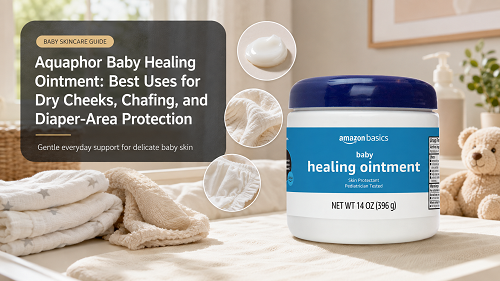
Aquaphor Baby Healing Ointment: Best Uses for Dry Cheeks, Chafing, and Diaper-Area Protection
21
Sep
Sep
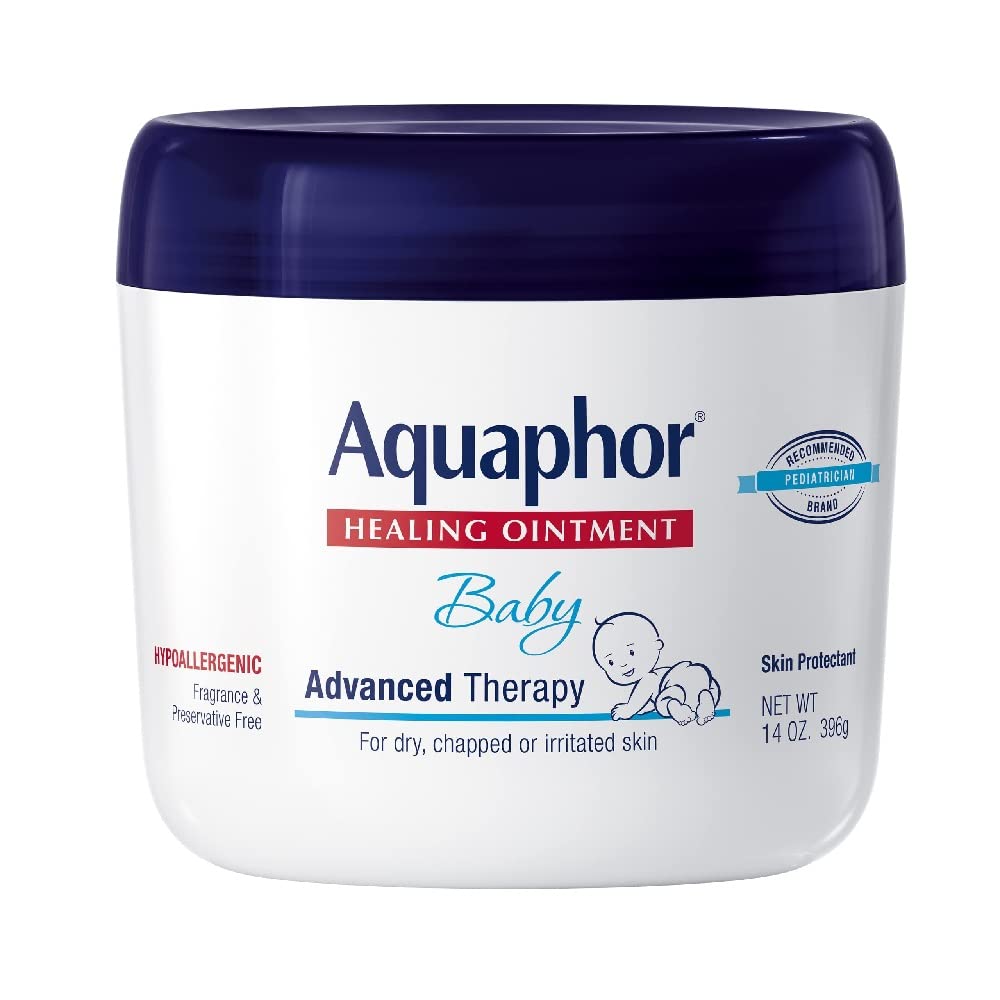
Aquaphor Baby Healing Ointment is the product at the center of this guide. Aquaphor Baby Healing Ointment is a petrolatum-based skin protectant. The current product page lists 41% petrolatum and highlights panthenol and glycerin in a preservative- and fragrance-free ointment designed for dry, chapped, or irritated skin. The goal is not to label one formula […]
16
Sep
Sep
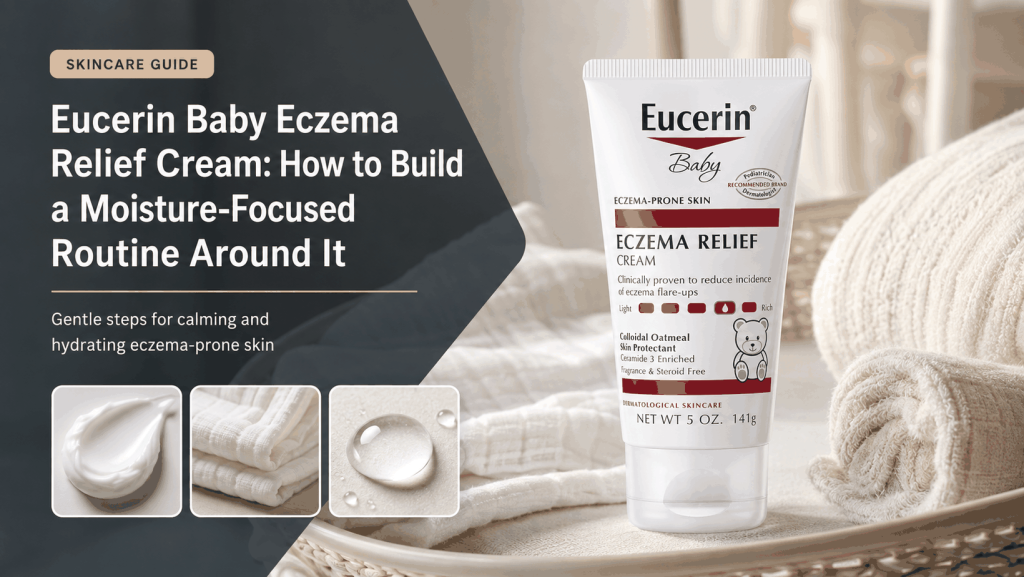
Eucerin Baby Eczema Relief Cream is the product at the center of this guide. Eucerin Baby Eczema Relief Cream is an OTC skin-protectant moisturizer with 1% colloidal oatmeal. The formula also includes Ceramide-3 and licorice-root extract and is marketed as fragrance-, dye-, and steroid-free. The current manufacturer page states that it is appropriate for babies […]
10
Sep
Sep
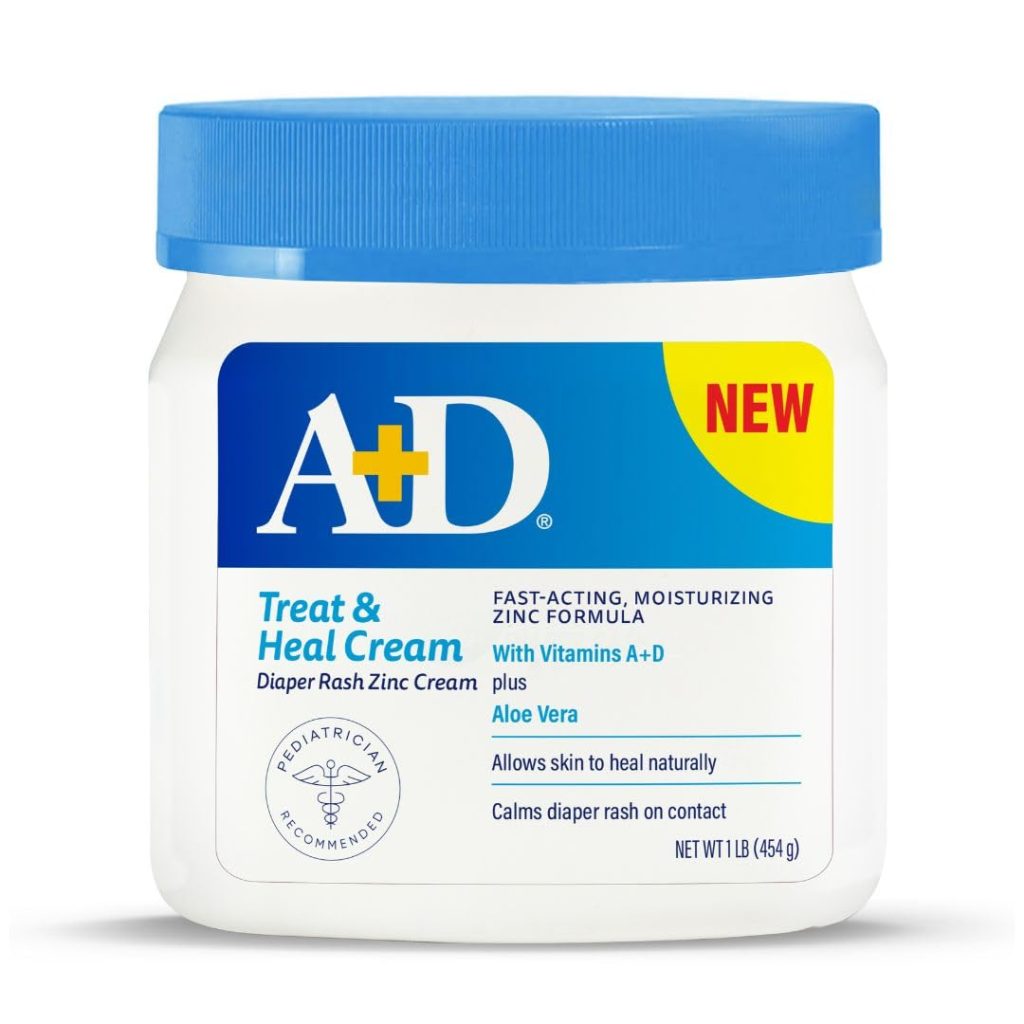
Reference Guide Ingredient lists are easier to use when you know the role an ingredient commonly plays. This glossary focuses on ingredients that repeatedly appear across the BabySkincare.net catalog. It is not a list of “good” and “bad” ingredients, and an ingredient’s presence does not prove that a finished product will suit every child. Zinc […]
10
Sep
Sep
Barrier Formats Cream, ointment, and paste labels can overlap, but texture changes how a diaper-area product spreads, stays in place, and comes off. Instead of assuming the thickest product is always strongest, compare the active ingredients, percentages, base, and directions on the exact product. The existing diaper cream guide provides the broader category-selection context. Creams […]
10
Sep
Sep
Application Question There is no useful universal number of teaspoons for every diaper cream. A thin daily barrier cream, a high-zinc paste, and a petrolatum ointment spread differently. The current Drug Facts or package directions should control how the exact product is applied. Practical answer Use enough of the labeled barrier product to cover the […]
10
Sep
Sep
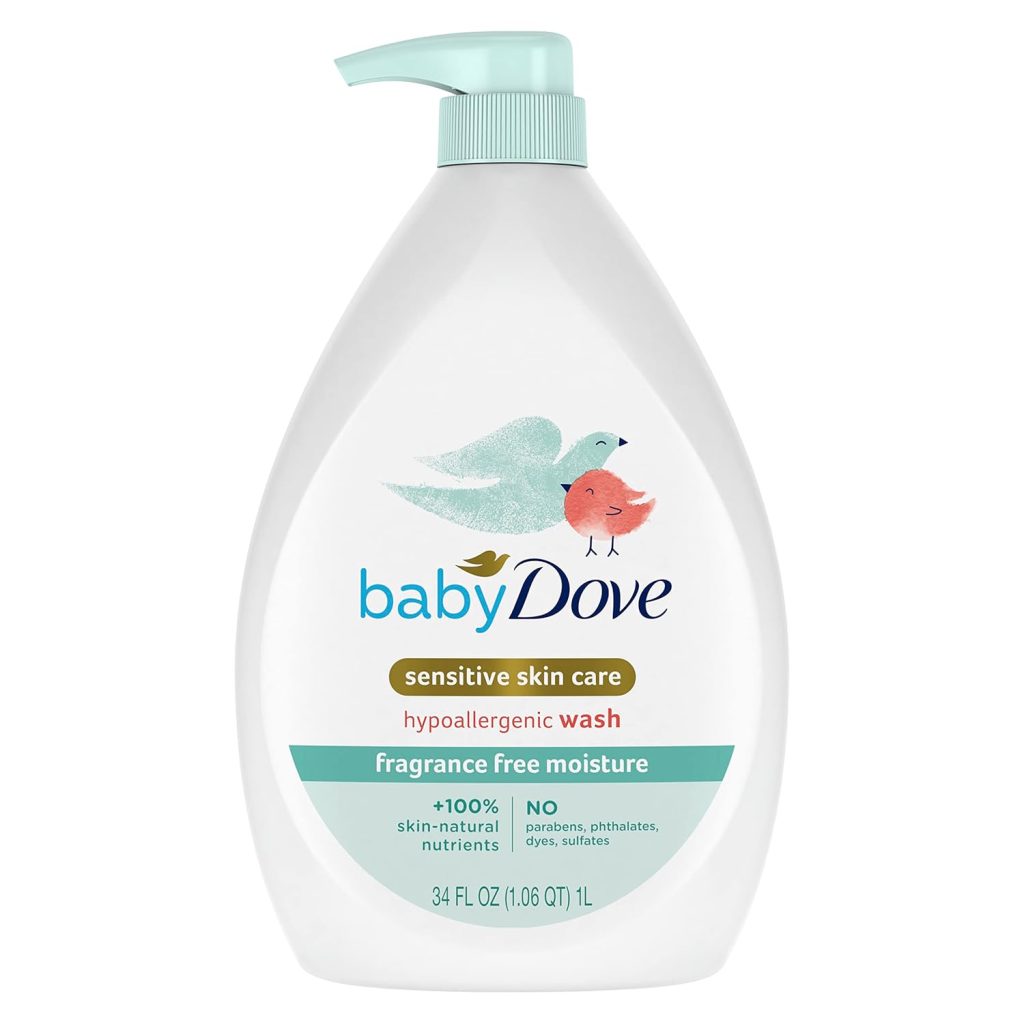
Claims Decoder Baby skincare packaging uses reassuring language because parents want simple signals. The problem is that “hypoallergenic,” “dermatologist tested,” “natural,” “organic,” “fragrance-free,” “vegan,” and “cruelty-free” do not mean the same thing. Some are loosely defined marketing claims, some relate to ingredient sourcing or certification, and some can be checked directly against the formula. “Hypoallergenic” […]
10
Sep
Sep
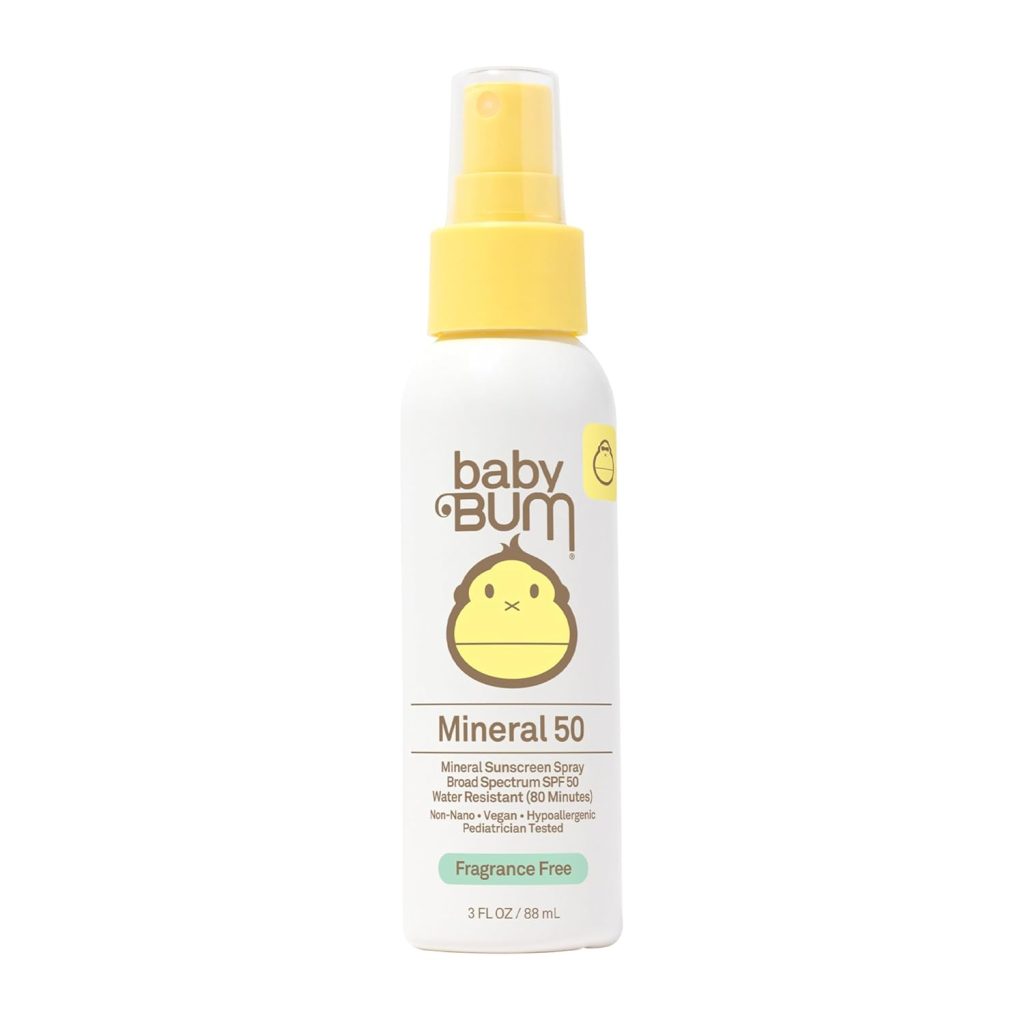
Application Formats Sunscreen format changes how easy it is to cover skin evenly. Lotion offers broad manual coverage, sticks are compact and controlled, and sprays are fast but can make it harder to judge how much actually reached the skin. The best format is the one that fits the situation and can be applied according […]