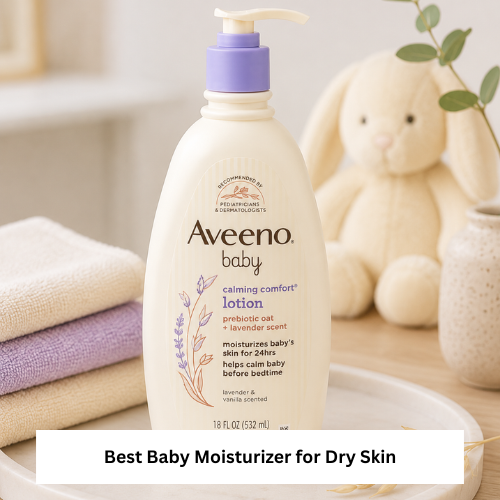
Choosing a baby moisturizer for dry skin should start with your baby’s skin type, product ingredients, and how often the skin becomes dry. Parents should avoid guessing and instead check whether the moisturizer is suitable for newborns, sensitive baby skin, or eczema-prone skin.
Dryness can appear after bathing, weather changes, frequent wiping, or irritation from products. A good moisturizer should support comfort without adding unnecessary fragrance, harsh ingredients, or confusing claims.
How to Choose a Baby Moisturizer for Dry Skin
A baby moisturizer should be gentle, easy to apply, and suitable for the area where it will be used. Face, body, hands, and diaper-area skin may need different care, so always read product directions.
If a product claims to help eczema-prone skin, severe dryness, or irritation, verify before buying and speak with a pediatrician when symptoms are ongoing.
Lotion, Cream, or Ointment: What Is the Difference?
Lotions are usually lighter. Creams are often thicker. Ointments may feel heavier and can help protect very dry areas, depending on the formula.
Parents looking for daily options can start by reviewing baby lotions and then compare texture, fragrance status, ingredient list, and usage directions.
| Moisturizer Type | Best For | Feel on Skin | What to Verify |
| Lotion | Mild dryness and daily use | Light and easy to spread | Fragrance status and newborn suitability |
| Cream | Dry patches and sensitive skin | Thicker than lotion | Ingredient list and usage area |
| Ointment | Rough or very dry areas | Heavy and protective | Whether it is safe for your baby’s age |
| Eczema-focused cream | Eczema-prone skin | Varies by product | Pediatric guidance and product directions |
Ingredient and Compatibility Checks
Look for a gentle formula that fits your baby’s age and skin needs. If your baby has sensitive skin, choose simple products and avoid switching too often.
A fragrance-free lotion may be better for babies who react easily to scented products, but parents should still verify the full ingredient list before buying.
Moisturizer Tips for Baby Dry Skin
Apply moisturizer after a lukewarm bath when the skin is clean and slightly damp. Pat the skin dry instead of rubbing.
If dryness keeps returning, review your baby bath routine, cleanser choice, laundry products, and room humidity. You can also read more about baby dry skin care before choosing a new product.
Sensitive Skin and Eczema-Prone Skin Guidance
Babies with eczema-prone skin may need thicker moisturizers and a more careful routine. Do not use medicated creams unless a healthcare professional recommends them.
Parents comparing eczema-prone options can review baby eczema cream guidance and then verify each product’s usage instructions before buying.
Common Buying Mistakes
One common mistake is choosing by scent. A pleasant smell does not mean the product is better for sensitive baby skin.
Another mistake is buying a product without checking whether it is a lotion, cream, ointment, or treatment-style product. These are not always interchangeable.
You can also compare baby moisturizing lotion options to understand different textures and product styles before choosing one.
Setup, Storage, and Daily Use Tips
Keep moisturizer near the bath area or changing table, but away from heat and direct sunlight. Close the cap tightly after each use.
Use clean hands when applying moisturizer. Do not dip dirty fingers into jars. If the product changes smell, color, or texture, stop using it and verify whether it should be replaced.
Troubleshooting Dry Skin
If the skin becomes red after using a moisturizer, stop using that product and watch the area. If redness, swelling, peeling, or discomfort continues, speak with a pediatrician.
If the skin is cracked, bleeding, infected-looking, or very itchy, do not rely only on over-the-counter products. Get medical advice.
Practical Buying Checklist
- Check whether the product is lotion, cream, or ointment.
- Verify newborn or infant suitability before buying.
- Check fragrance-free status if your baby has sensitive skin.
- Review ingredient list carefully.
- Check compatibility with eczema-prone or dry skin needs.
- Verify usage area such as face, body, or diaper area.
- Review storage instructions.
- Check return policy before buying.
- Confirm product size and delivery details.
- Verify before buying if claims or directions are unclear.
Conclusion
The right baby moisturizer should match your baby’s dryness level, skin sensitivity, and daily routine. Choose gentle formulas, check fragrance and ingredient details, and verify product suitability before using a new moisturizer on delicate baby skin.
FAQ
What type of baby moisturizer is best for dry skin?
A gentle cream or ointment may help very dry areas, while lotion may work for mild dryness. Verify product suitability before buying.
Should baby moisturizer be fragrance free?
Fragrance-free options are often preferred for sensitive baby skin. Always check the full ingredient list.
Can I use adult moisturizer on my baby?
It is better to use products made for babies or recommended by a healthcare professional. Adult products may contain unsuitable ingredients.
When should I moisturize my baby’s skin?
After a lukewarm bath is a common time because the skin is clean and slightly damp.
When should I ask a doctor about dry skin?
Ask a doctor if dryness is severe, cracked, bleeding, infected-looking, or linked with ongoing discomfort.
