
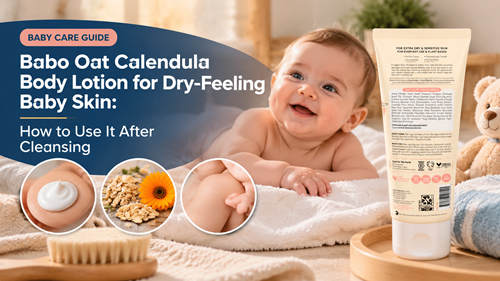
Babo Oat Calendula Body Lotion for Dry-Feeling Baby Skin should earn its place by making the routine easier and the skin feel comfortable, not by adding a complicated extra step. Caregivers pairing an oat-and-calendula lotion with regular baby cleansing. Compare fragrance, texture, spreadability, packaging hygiene, and whether the lotion works well after the family’s normal bath schedule.
The goal is not to find one universal “best” choice. It is to match the product to the child’s age, skin history, climate, bath frequency, caregiver preferences, and the current package directions.
Babo Oat Calendula Body Lotion For Dry-Feeling Baby Skin: Decide Whether It Fits After-Bath Care
Before using Babo Oat Calendula Body Lotion for Dry-Feeling Baby Skin over a large area, read the current package and identify fragrance, age directions, warnings, and any ingredients the child has reacted to previously. “Natural,” botanical, or oat-based wording does not guarantee that every child will tolerate a formula.
After a short lukewarm bath, gently pat the skin and apply lotion without vigorous rubbing. A light lotion can be practical for everyday body use, while very dry patches may need a thicker cream or ointment recommended for the child’s needs.
Pump packaging is convenient when several caregivers share the routine because it reduces repeated finger contact with the formula. Whatever the package, close it promptly, keep the nozzle clean, and note when the product was first opened.
Use Moisturizer Consistently, Not Excessively
Use Babo Oat Calendula Body Lotion for Dry-Feeling Baby Skin consistently for several routine applications before deciding whether the texture is too light, too rich, or simply right for the climate and the child’s skin. If a new product causes persistent redness, itching, swelling, hives, or worsening dryness, stop and seek appropriate advice.
Fragrance preference is personal, but skin tolerance matters more than scent. Families managing eczema or repeated reactions often benefit from a simpler fragrance-free routine recommended by a dermatologist or pediatric clinician.
Compare Texture, Fragrance, And Packaging
| Decision Point | What To Compare | Why It Matters |
|---|---|---|
| Texture | Light lotion vs thicker cream | Changes spreadability and how often families want to reapply. |
| Fragrance | Scented vs fragrance-free | Preference must be balanced with tolerance. |
| Packaging | Pump, tube, or jar | Affects hygiene and ease of use. |
| Timing | After bath or as needed | Consistency matters more than using a large amount at once. |
| Response | Comfort over repeated use | Stop when irritation or worsening dryness appears. |
For a direct product comparison, review the oat calendula baby lotion routine page and compare the current label, size, directions, and warnings before purchase.
If you are deciding between formats, review the post-cleanse body lotion for babies guide to see how the format fits a real home routine before you buy.
For dry-skin context, open the dry-feeling skin moisturizing steps resource to compare how bathing frequency, water temperature, and after-care can change the result.
For a broader routine check, use the botanical baby lotion after bath article so the product decision stays inside a simple routine instead of adding several new steps at once.
For another relevant comparison, read the oat-based moisturizer care guide page before you commit to a new product, scent, or packaging format.
For manufacturer or dermatologist context, review the calendula body lotion for little ones source and then confirm the package in your hand, because formulas and directions can change.
A Practical Parent Checklist
- Read the exact current label, age guidance, ingredient list, warnings, and directions before first use.
- Introduce only one new bath or skincare product at a time so changes are easier to interpret.
- Use the smallest practical amount instead of assuming more product will work better.
- Keep water lukewarm, limit friction, and rinse cleanser thoroughly when the product is rinse-off.
- Check skin again later the same day and over repeated use for new dryness, redness, itching, or discomfort.
- Stop the product and seek professional advice when symptoms are severe, persistent, infected-looking, or accompanied by illness.
Keep the package until you know the product works for the routine. If more than one caregiver helps with baths or moisturizing, agree on the same amount, frequency, and stop signs so the child is not exposed to inconsistent use.
How To Decide Whether Babo Oat Calendula Body Lotion For Dry-Feeling Baby Skin Fits
Use Babo Oat Calendula Body Lotion for Dry-Feeling Baby Skin only when it solves a clear routine need and the child tolerates it. The most useful buying decision is one that stays easy to apply, easy to monitor, and easy to stop if the skin does not respond well.
Recheck the label when repurchasing, especially if packaging changes. Ingredient lists, sizes, scent variants, age wording, and directions can change over time.
Frequently Asked Questions
How often should I use Babo Oat Calendula Body Lotion for Dry-Feeling Baby Skin?
Follow the current label and the child’s actual need. Many baby-care products do not need to be applied more often simply because they are gentle.
Should I introduce another new product at the same time?
It is usually easier to evaluate tolerance when only one skincare product changes at a time.
What should I do if the skin becomes red or itchy?
Stop the new product, rinse gently when appropriate, and monitor the child. Seek medical advice for persistent, worsening, swollen, blistered, oozing, or widespread symptoms.
Does a gentle or natural label guarantee no reaction?
No. Marketing terms do not guarantee individual tolerance. Read the complete ingredient list and follow the directions on the package.
When should I ask a pediatrician or dermatologist?
Ask for help when symptoms persist, interfere with sleep, appear infected, recur frequently, or do not respond to the child’s usual skincare plan.
