Talc and cornstarch can both appear in loose body powders, but they are not the same ingredient and should not be compared only by texture. For baby-care decisions, the more important questions are what the current label says, how the powder is intended to be used, and how exposure to airborne powder is avoided.
Talc is a naturally occurring mineral. Cornstarch is a plant-derived starch. Both can be used in powders that absorb moisture or change skin feel, but their sourcing, label context, and safety questions differ. Pediatric guidance is cautious about loose baby powder in general because inhalation is a concern.
How Talc And Cornstarch Differ
Talc is a mineral composed primarily of magnesium, silicon, oxygen, and hydrogen. The FDA notes that talc is used in cosmetics for functions such as absorbing moisture, preventing caking, and improving product feel. Because talc deposits can occur near asbestos in the earth, contamination control and testing have been an ongoing regulatory concern.
Cornstarch is derived from corn and is used as an absorbent powder base. Many baby-powder listings now highlight “talc free” and use cornstarch alone or in combination with ingredients such as aloe, zinc oxide, chamomile, or fragrance. A cornstarch base answers one ingredient question, but it does not tell you whether every other ingredient or the use instructions fit a particular child.
The current BabySkincare.net baby powders contains both talc-labeled and talc-free products. That makes it possible to compare actual label patterns rather than treating “baby powder” as one uniform formula. Another useful reference point is cornstarch powder, especially when checking the current package details.
Texture And Moisture Handling
Both talc and cornstarch are used in products intended to feel dry and reduce a damp sensation, but a shopper cannot reliably predict performance from the ingredient name alone. Particle size, blends, added starches or clays, fragrance, packaging, and intended use all affect how a finished powder behaves.
A formula with cornstarch plus zinc oxide is not equivalent to a plain cornstarch dusting powder. Likewise, a talcum powder with fragrance is not equivalent to every other talc-based cosmetic. Compare finished products, not isolated ingredients.
For diaper-area care, moisture handling is only one part of the decision. When the goal is to create a physical barrier against wetness, a cream, ointment, or paste may be the more relevant format to compare. Powder should not automatically be substituted for a barrier product.
Label Differences Worth Checking
| Question | Talc Product | Cornstarch Product |
|---|---|---|
| Base ingredient | Look for talc/talcum wording | Look for cornstarch/zea mays starch wording |
| Other absorbents | May include additional powders or starches | May include arrowroot, clay, or other starches |
| Active ingredients | Check any Drug Facts or active panel | Zinc oxide or other actives may appear in some formulas |
| Fragrance | Check complete ingredient list | “Talc free” does not mean fragrance free |
| Handling | Keep loose powder away from the face and minimize airborne dust; follow current label directions | |
Marketplace product titles can help identify obvious differences, but they are not enough for final verification. Check the current bottle or package for the full ingredient list, warnings, lot details, and directions. Product formulations and marketplace copy can change over time. For a different catalog example, review talc-free powder and compare its current label rather than assuming the format is identical.
Sensitive-Skin Checks Go Beyond The Powder Base
Choosing between talc and cornstarch does not resolve every sensitive-skin question. Fragrance, botanical extracts, preservatives, active ingredients, and prior reactions may matter just as much. Claims such as “hypoallergenic,” “natural,” or “pediatrician tested” should be read as specific label claims, not guarantees that irritation is impossible.
The American Academy of Pediatrics’ HealthyChildren guidance advises families to avoid baby powder and specifically discusses inhalation concerns. It also notes that cornstarch powder can irritate the respiratory tract if inhaled. That means “talc free” should not be interpreted as “safe to create a powder cloud around a baby’s face.”
If a child has broken skin, an active rash, known contact allergies, respiratory concerns, or a history of reacting to skin products, individualized clinical guidance is more useful than choosing a powder by a single ingredient preference.
Talc Versus Cornstarch: A Better Comparison Method
Compare dusting powders with dusting powders, and medicated or active-ingredient products with products serving the same labeled purpose. One related listing is baby dusting powder, which helps put this distinction into a real product context.
Look beyond the base to fragrance, botanicals, zinc oxide, calamine, clays, and other ingredients.
Loose powders can become airborne. Current package directions and warnings should control how the product is handled.
For talc-containing cosmetics, check manufacturer and FDA safety or recall information rather than relying on old marketplace copy.
In the current catalog, talcum powder illustrates a talc-labeled example, while Johnson’s Baby Powder with Naturally Derived Cornstarch illustrates a cornstarch-labeled example. The comparison is useful because the products identify different bases; it is not a recommendation to use either product.
These current listings show how the same base can appear in different formulas.
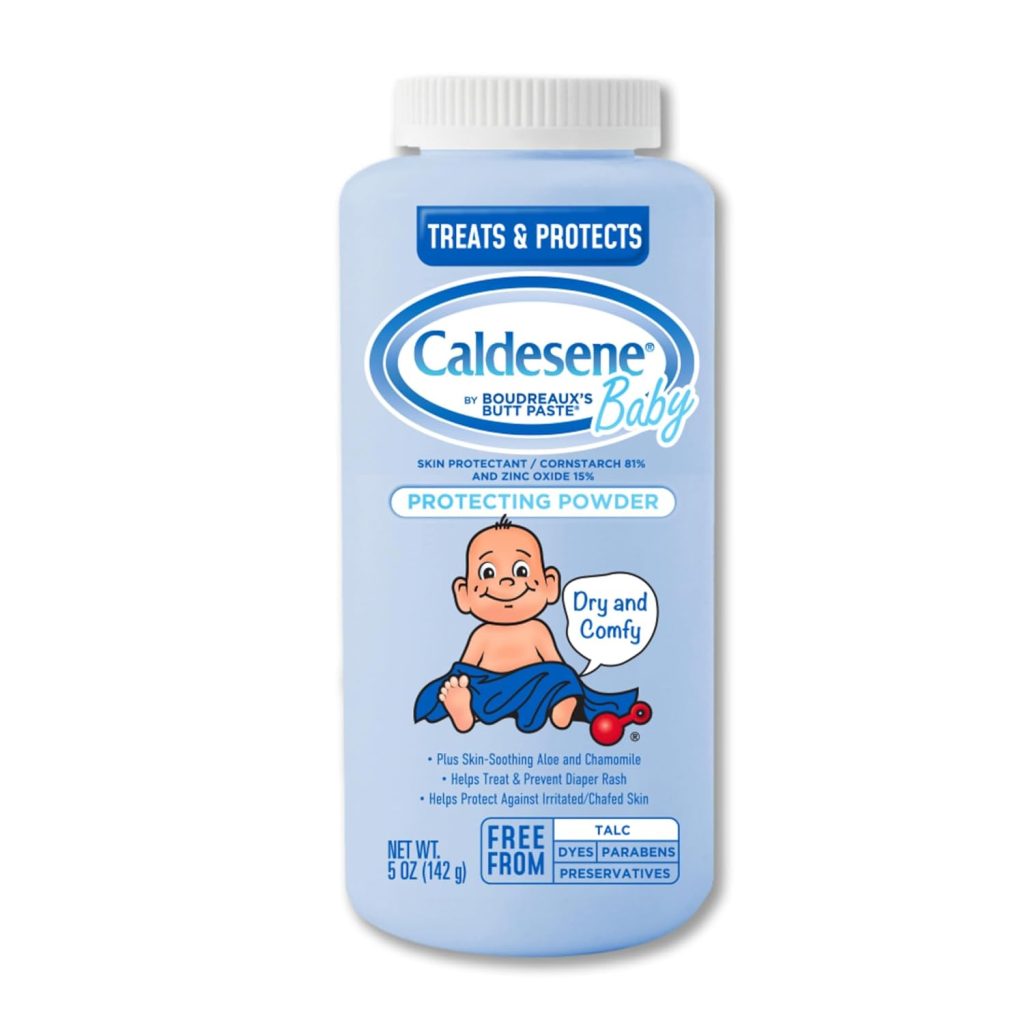
For one live cornstarch example, compare Caldesene baby powder with the current ingredient and warning panels rather than assuming every cornstarch powder uses the same formula.
 Catalog ExampleCaldesene Cornstarch Baby Powder with Zinc Oxide, Talc-Free Baby Powder, 5 Oz
 Catalog ExamplePure Cornstarch Baby Powder with Lavender and Chamomile (2 Pack)
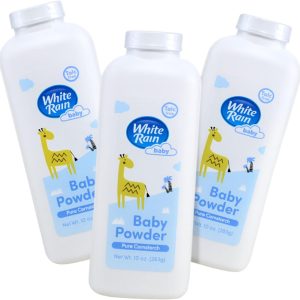 Catalog ExampleWhite Rain Pure Cornstarch Baby Powder Talc-Free, 10 oz, Pack of 3 – Natural Moisture Absorption with Vitamin…