
Mineral oil and plant oils are often framed as opposites, but a useful comparison is less dramatic. Both are oil-phase ingredients used to soften skin and reduce moisture loss. The practical differences are in source, fatty-acid composition, processing, added ingredients, stability, fragrance, and how the finished product feels.
Mineral Oil Offers A Consistent Base
Cosmetic mineral oil is highly refined and used in many personal-care products. In a baby oil, it can provide predictable slip and an occlusive feel. A mineral-oil formula may be very simple or may include fragrance, plant oils, or butters, so the base ingredient alone does not describe the entire product.
Johnson’s Baby Oil with Mineral Oil, Shea and Cocoa Butter illustrates that point: “mineral oil” is the base identity, but the listing also highlights additional emollient ingredients. A practical comparison example is mineral baby oil; the current product page can be checked against the label in hand.
Plant Oils Vary Much More From One Another
Coconut, jojoba, sunflower, avocado, almond, argan, and other plant-derived oils have different chemical profiles. Jojoba is technically a wax ester rather than a typical triglyceride oil, while coconut oil has a very different fatty-acid profile from sunflower or avocado oil. Grouping them all as “plant oil” can therefore hide meaningful differences.
The site’s coconut oil and jojoba oil separate those narrower ingredient questions. The same question can be tested against plant baby oil, a related listing already available in the catalog.
Natural Origin Does Not Equal Universal Tolerance
A botanical source is a sourcing fact, not a guarantee that every child will tolerate the finished product. Plant oils can be refined or unrefined, scented or unscented, and combined with extracts or essential oils. Families with known allergies or highly reactive skin should pay attention to the complete formula rather than the marketing category.
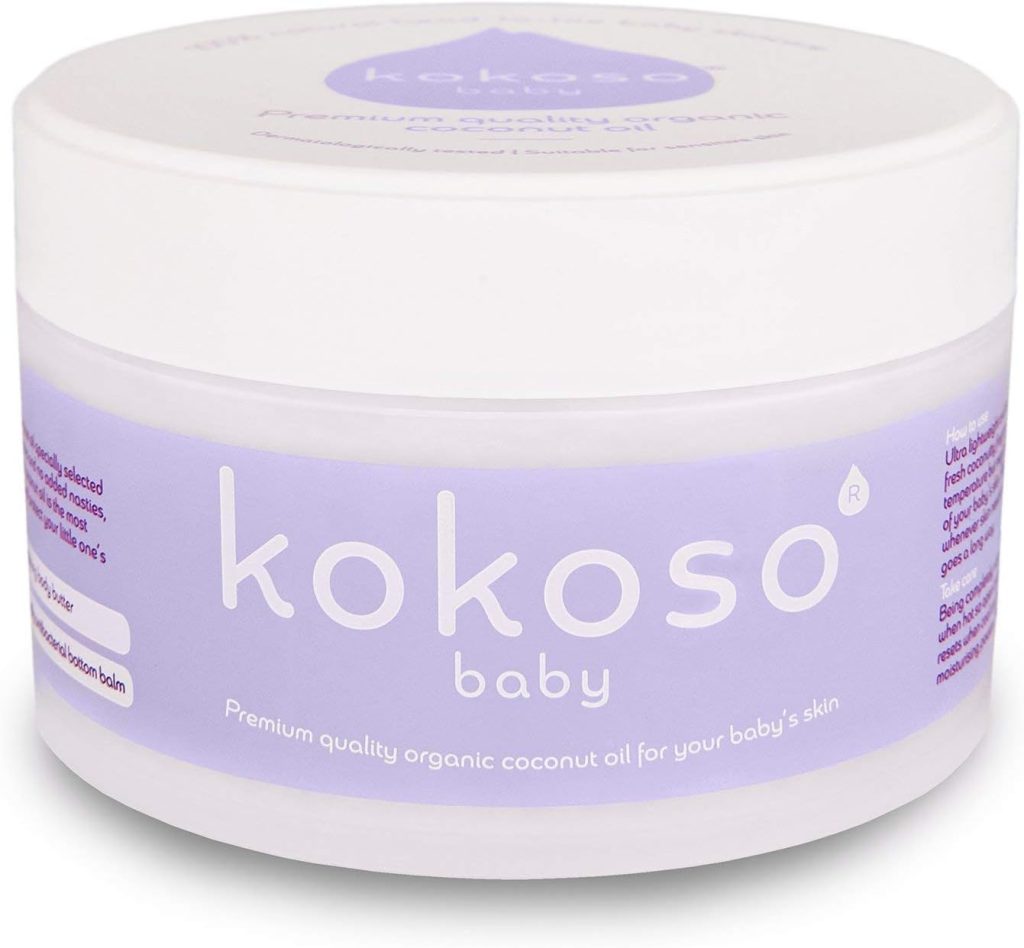
FDA consumer guidance similarly cautions that “organic” or “natural” origin does not by itself determine cosmetic safety. That is one reason this comparison focuses on labels and formulation instead of assigning a blanket safety ranking. For another real-world comparison, see organic coconut oil and verify the current package information.
Stability And Storage Can Differ
Some plant oils oxidize more readily than others, which can change odor and product quality over time. Antioxidants such as tocopherol may be included to support formula stability. Mineral oil is generally less prone to oxidative rancidity, but all products still need to be stored according to their own package directions.
Check the bottle for changes in smell, color, texture, or contamination, and follow any period-after-opening or expiration information provided by the manufacturer. The site’s Baby Skincare Expiration Guide covers that broader maintenance issue.
These examples illustrate mineral, squalane-focused, and coconut/plant-oil approaches.
For a current mineral-oil example, inspect Johnson's baby oil and compare the complete ingredient list with plant-oil formulas instead of judging either group by ingredient origin alone.
 Catalog ExampleJohnson’s Baby Oil, Mineral Oil Enriched with Shea & Cocoa Butter to Prevent Moisture Loss, Hypoallergenic, 20 fl.…
 Catalog ExamplePipette Baby Oil – Nurture, Moisturize Baby Skin, Vitamin E, Sensitive, Dry Skin, Fragrance Free with Renewable Plant-Derived…
 Catalog ExampleBaby Organic Coconut Oil – Moisturising 100% Natural Baby Oil for Baby Massage, Dry, Sensitive and Normal Baby…