Baby skincare packaging uses reassuring language because parents want simple signals. The problem is that “hypoallergenic,” “dermatologist tested,” “natural,” “organic,” “fragrance-free,” “vegan,” and “cruelty-free” do not mean the same thing. Some are loosely defined marketing claims, some relate to ingredient sourcing or certification, and some can be checked directly against the formula.
“Hypoallergenic” Is Not A Federal Safety Guarantee
FDA states that there are no federal standards or definitions governing the use of “hypoallergenic” for cosmetics. A company can use the term to communicate that it expects fewer allergic reactions, but the word does not prove that a product is non-allergenic or suitable for every sensitive user.
That makes the ingredient list and personal reaction history more useful than the claim by itself. The existing hypoallergenic skincare explores that term in depth. Another useful reference point is baby lotion, especially when checking the current package details.
“Dermatologist Tested” And “Pediatrician Tested” Need More Detail
Testing language sounds precise, but the front label often does not explain study design, participant numbers, endpoints, comparison groups, or whether the professionals endorsed the product. “Tested” should not automatically be rewritten as “recommended.”
If a testing claim matters to your decision, look for the manufacturer’s methodology or supporting documentation. BabySkincare.net should not convert an unverified testing phrase into an expert endorsement.
Fragrance-Free And Unscented Are Different Shopping Filters
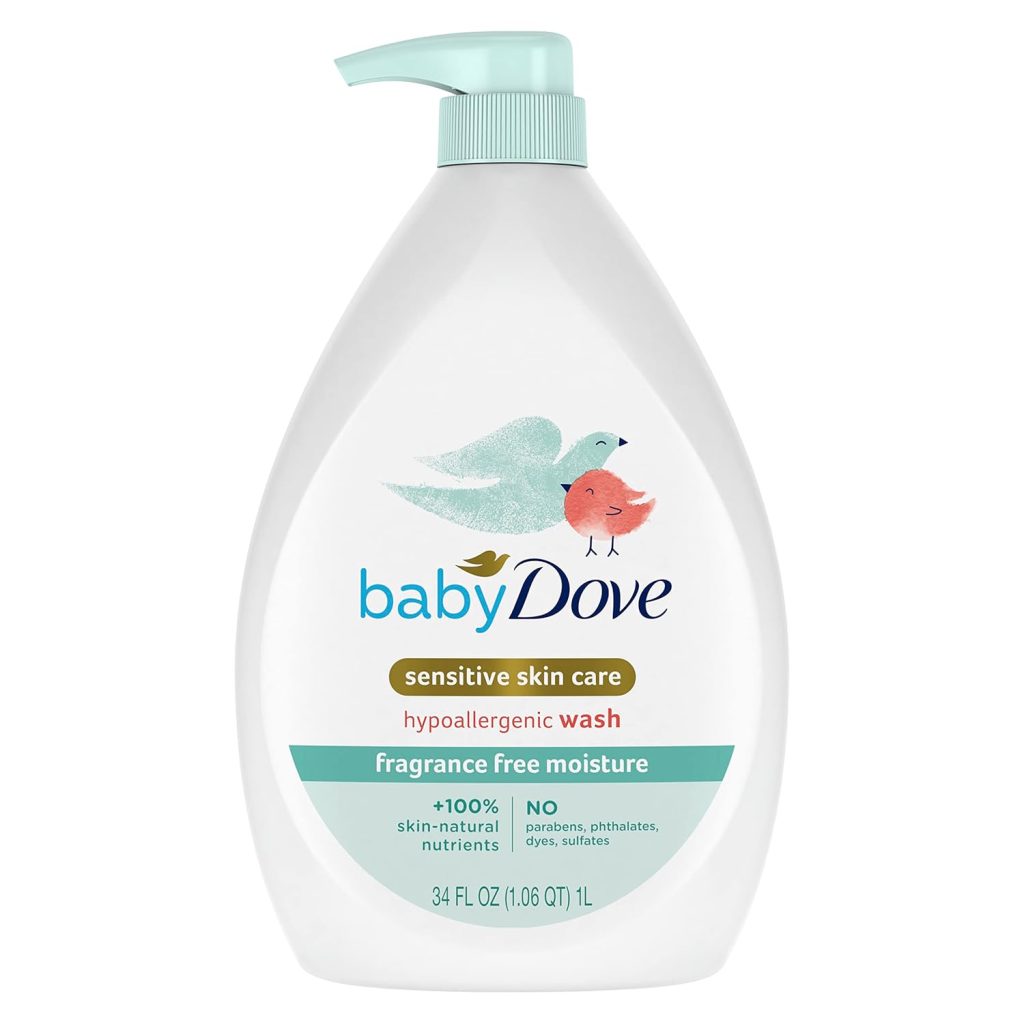
“Fragrance-free” generally signals an intention not to add ingredients for scent, while “unscented” can be used differently by manufacturers. FDA also notes that consumers should not rely only on terms such as fragrance-free or sensitive skin when trying to avoid allergens; ingredient declarations remain important. For a different catalog example, review baby wash and compare its current label rather than assuming the format is identical.
The site’s existing fragrance-free skincare provides the broader context for families using fragrance as a filter.
“Natural” Describes Source More Than Safety
Natural origin can matter to shoppers, but FDA cautions that an ingredient’s source does not determine how safe it is. A plant extract can cause irritation in an individual user, just as a synthetic ingredient can be well tolerated. The complete formula and intended use matter. One related listing is organic baby powder, which helps put this distinction into a real product context.
“Organic” Needs A Certification Context
Organic claims can relate to agricultural production standards and certification rather than an across-the-board judgment about finished-product performance. Look for the actual certifier, percentage wording, and which ingredients or product components the claim covers.
The existing Organic Baby Skincare Buyer Guide is the better place to compare those sourcing claims.
Vegan And Cruelty-Free Answer Ethical Questions
“Vegan” generally concerns whether animal-derived ingredients are used. “Cruelty-free” usually concerns animal-testing policies. Neither term automatically tells you whether a formula is fragrance-free, hypoallergenic, organic, or appropriate for eczema-prone skin.
| Claim | What It Can Tell You | What It Does Not Prove |
|---|---|---|
| Hypoallergenic | Manufacturer positioning around allergy potential | Zero risk of allergy or irritation |
| Dermatologist/Pediatrician Tested | Some professional involvement in testing may have occurred | Recommendation, superiority, or universal safety |
| Fragrance-Free | Useful scent-related formulation signal | Absence of every possible irritant or allergen |
| Natural / Organic | Ingredient-source or certification information | Automatic safety or better performance |
- Read the full ingredient list.
- Look for a certifier or methodology when the claim implies one.
- Separate “tested” from “recommended.”
- Check current packaging rather than an old marketplace title.
- Match the claim to the problem you are actually trying to solve.
These examples show why the same reassuring words can sit on very different formulas.
For a live claims example, inspect CeraVe baby lotion and compare the marketplace wording with the current package before interpreting terms such as gentle, fragrance-free, or tested.
 Catalog ExampleCeraVe Baby Lotion, Gentle Baby Skin Care with Ceramides, Niacinamide & Vitamin E, Fragrance, Paraben, Dye & Phthalates…
 Catalog ExampleBaby Dove Sensitive Skin Care Baby Wash Fragrance Free Moisture For Baby Bath Time Fragrance Free and Hypoallergenic,…
 Catalog ExampleEra Organics Talc-Free Organic Baby Powder – USDA Organic Dusting Powder with Arrowroot, Calendula and Cornstarch for Newborns,…