
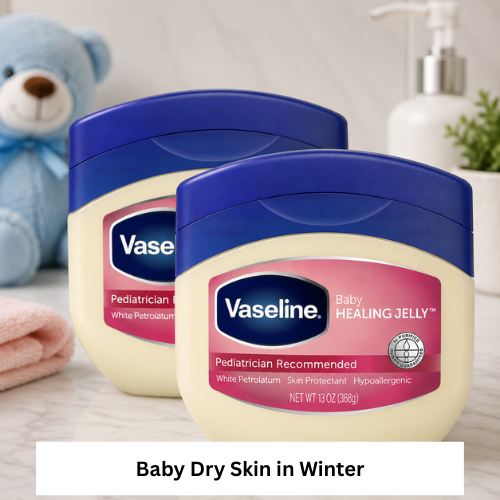
Winter air, indoor heating, frequent washing, and heavy clothing can make baby dry skin feel rough, flaky, or uncomfortable. Parents may notice dryness on the cheeks, arms, legs, hands, or areas where clothing rubs, but the right response depends on the baby’s age, symptoms, and overall health.
Newborn peeling is not always the same as persistent dryness. Mild flaking can occur as newborn skin adjusts after birth, while redness, cracking, swelling, oozing, or significant discomfort may need medical assessment. Parents should contact a pediatric professional when they are unsure whether a skin change is normal.
Why Baby Dry Skin Can Get Worse in Winter
Cold outdoor air usually contains less moisture, while indoor heating can make the home environment feel even drier. Long or hot baths, strong cleansers, repeated wiping, rough fabrics, and fragranced products may add to the problem.
Some babies also have naturally sensitive skin or an existing condition such as eczema. Dryness that repeatedly returns, becomes intensely red, causes sleep disturbance, or develops into open areas should not be treated only as a cosmetic issue.
A parent comparing options for baby dry skin may start with a simple occlusive product, but the ingredient list, age guidance, and affected body area should still be checked.
| What parents notice | Possible explanation | Practical next step |
| Fine peeling without redness or discomfort | Normal newborn skin adjustment may be possible | Keep care simple and ask the pediatrician if uncertain |
| Rough or flaky patches during cold weather | Environmental dryness may be contributing | Use gentle bathing and an age-appropriate moisturizer |
| Red, itchy, repeatedly inflamed areas | Sensitive skin or eczema may be possible | Arrange professional advice before adding medicated products |
Do not diagnose a baby’s rash only from a photograph or product review. Similar-looking skin conditions can need different care.
Choosing a Baby Moisturizer for Winter
Lotions, creams, and ointments differ mainly in texture, spreadability, and how much moisture they help hold against the skin. The thickest option is not automatically the best choice for every baby or everybody area.
A baby lotion for dry skin may be easier to spread over larger areas, while a cream or ointment can suit smaller, rougher patches.
Lotion
A lotion normally feels lighter and spreads quickly. It may suit routine use when the dryness is mild, but parents should verify the complete formula rather than relying only on the words gentle or natural.
A gentle baby lotion can fit a daily routine when it is applied in a thin layer to clean, slightly damp skin.
Cream
Creams are generally thicker than lotions and may be useful when a lighter formula does not seem to last. Check whether the product is intended for the face, body, hands, or another specific area.
Ointment or jelly
An ointment or jelly can create a heavier barrier over very rough spots. Avoid applying any product to infected-looking, weeping, or badly broken skin unless a healthcare professional recommends it.
Ingredients and label claims
Parents often compare products containing ingredients such as glycerin, ceramides, petrolatum, or colloidal oatmeal. However, the full formula, the baby’s age, and any history of eczema or allergy still matter. Fragrance-free and hypoallergenic claims can be useful starting points, but they do not guarantee that every baby will tolerate the product.
For sensitive baby skin, a sensitive-skin baby lotion should have clear age directions, a readable ingredient list, and packaging that protects the formula.
A Gentle Baby Moisturizer Routine
A simple baby dry skin routine is usually easier to monitor than a routine involving several new products at once.
Keep bath time gentle
Use comfortably warm rather than hot water. Avoid unnecessary scrubbing, exfoliating tools, and strong soaps. Parents do not need to lather cleanser over every area at every bath when only limited cleaning is needed.
A mild oat baby body wash may suit some families, but verify the full formula and stop use if redness or irritation appears.
Pat instead of rubbing
After bathing, gently pat the skin with a soft towel. Rubbing can increase friction on already dry or sensitive areas.
Moisturize while the skin is slightly damp
Apply the chosen moisturizer shortly after drying, following the amount and frequency stated on the product label. Using more than directed does not necessarily produce better results.
Dress the baby comfortably
Choose soft, breathable layers and avoid overheating. Wash new clothes before use and rinse detergent thoroughly. Seams, tight cuffs, and rough fabrics may rub against dry patches.
Introduce one product at a time
Adding several products on the same day can make it difficult to identify which one caused irritation. Families with a history of allergies or eczema should ask their pediatric professional before starting unfamiliar botanical oils or medicated formulas.
Winter Home and Clothing Tips
Indoor heating can reduce humidity, but a humidifier should be selected and maintained carefully. Use the correct room size, place it safely away from the cot, follow the cleaning schedule, and prevent standing water from becoming contaminated.
Wash bedding and clothing according to the care instructions. Avoid fabric softeners or scent boosters when they appear to aggravate sensitive skin.
Do not place hot-water bottles, heating pads, or space heaters against a baby’s skin. Heat can worsen dryness and create a burn risk.
Common Buying Mistakes
One common mistake is buying a product because it is labeled natural without reading the ingredient list. Botanical extracts, essential oils, and fragrances can still irritate sensitive skin.
Other mistakes include:
- Choosing a scented product only because it smells mild
- Assuming hypoallergenic means allergy-proof
- Buying a large multipack before testing one container
- Using an adult moisturizer without pediatric guidance
- Ignoring the product’s age or body-area directions
- Using a face product near the eyes when the label does not allow it
- Keeping a product after its seal, pump, or container has been damaged
- Applying medicated eczema products without professional guidance
Parents comparing formulas can review an oatmilk and calendula moisturizing lotion listing and then verify the full ingredient label, age guidance, delivery condition, and return terms before buying.
Conclusion
Managing baby dry skin in winter usually starts with gentle cleansing, comfortable clothing, simple moisturization, and careful observation. Parents should introduce products gradually and seek medical advice when dryness becomes inflamed, painful, widespread, infected-looking, or persistent. At baby skin care, families can compare relevant products while keeping age suitability and professional guidance central to every decision.
FAQ
How often should I moisturize a baby’s dry skin?
Follow the product directions and the pediatric professional’s advice. Many routines include moisturizing after bathing, but individual needs vary.
Is newborn peeling always dry skin?
No. Mild peeling can be part of normal newborn skin adjustment. Redness, discomfort, cracks, or persistent symptoms should be discussed with a healthcare professional.
Should baby bath water be hot in winter?
No. Use comfortably warm water. Hot water can increase dryness and creates a burn risk.
Can I use an adult body lotion on my baby?
Do not assume an adult formula is suitable. Check age directions and ask a pediatric professional when the label does not clearly support infant use.
When should I call a doctor about dry skin?
Seek advice for bleeding, swelling, fluid, severe redness, widespread rash, fever, significant discomfort, or symptoms that do not improve.
