Powder and diaper cream can sit beside each other in a changing area, but they do different jobs. A powder is a loose format usually associated with moisture or friction management, while a cream, ointment, or paste can leave a semisolid barrier on the skin. Choosing between them starts with the problem, not the shelf location.
Loose particles; may absorb moisture or reduce friction depending on the formula. Airborne exposure and handling are important considerations.
Semi-solid barrier format. Zinc oxide, petrolatum, dimethicone, or other protectant ingredients may be present depending on the product. A practical comparison example is medicated powder; the current product page can be checked against the label in hand.
If The Goal Is A Barrier, Texture Changes The Decision
Many diaper creams are designed to stay on the skin and reduce contact with moisture and irritants. The site’s diaper rash cream explains why zinc percentage, base ingredients, and texture can matter when comparing these products.
For example, Desitin Maximum Strength Baby Diaper Rash Cream is a paste-style zinc oxide listing, while Aquaphor Baby Healing Ointment represents an ointment texture. Neither behaves like a loose powder. The same question can be tested against zinc oxide cream, a related listing already available in the catalog.
If The Goal Is Moisture Absorption, Read What The Powder Actually Claims
Some powders are cosmetic dusting products based on cornstarch or arrowroot. Others include active ingredients. A label may focus on moisture, chafing, skin protection, or another use. Those differences determine whether the product belongs in the same comparison at all.
The current baby powder includes starch-based, talc-labeled, calamine-containing, and zinc-containing options. That range is too broad for a single “powder versus cream” rule. For another real-world comparison, see diaper rash ointment and verify the current package information.
Handling Is Where The Formats Diverge Most
A cream stays where it is spread. A loose powder can become airborne when shaken or spilled. Pediatric guidance is cautious about baby powder because inhalation can irritate or injure the respiratory tract. That concern remains relevant even when the product is talc-free.
A cream has different practical downsides: it can be messy, leave residue, and require more deliberate removal. Those are convenience issues rather than reasons to substitute one format for another when the label indicates a different purpose.
Use The Product Label To Break A Tie
When two products appear to solve the same problem, compare active ingredients, intended use, directions, warnings, and age language. For a diaper cream, also consider paste thickness and whether the formula is compatible with cloth diapers if that matters to the household. For powder, pay special attention to how the manufacturer instructs application.
These catalog listings are useful for comparing delivery format rather than declaring one universally better.
For a live powder-format reference, review Caldesene powder and compare its stated purpose with barrier creams or ointments rather than treating the formats as interchangeable.
 Catalog ExampleCaldesene Medicated Protecting Powder with Zinc Oxide & Cornstarch-Talc Free, 5 Ounce (3 Pack)
 Catalog ExampleDesitin Maximum Strength Baby Diaper Rash Cream, 40% Zinc Oxide for Treatment, Relief & Prevention, Hypoallergenic, Phthalate- &…
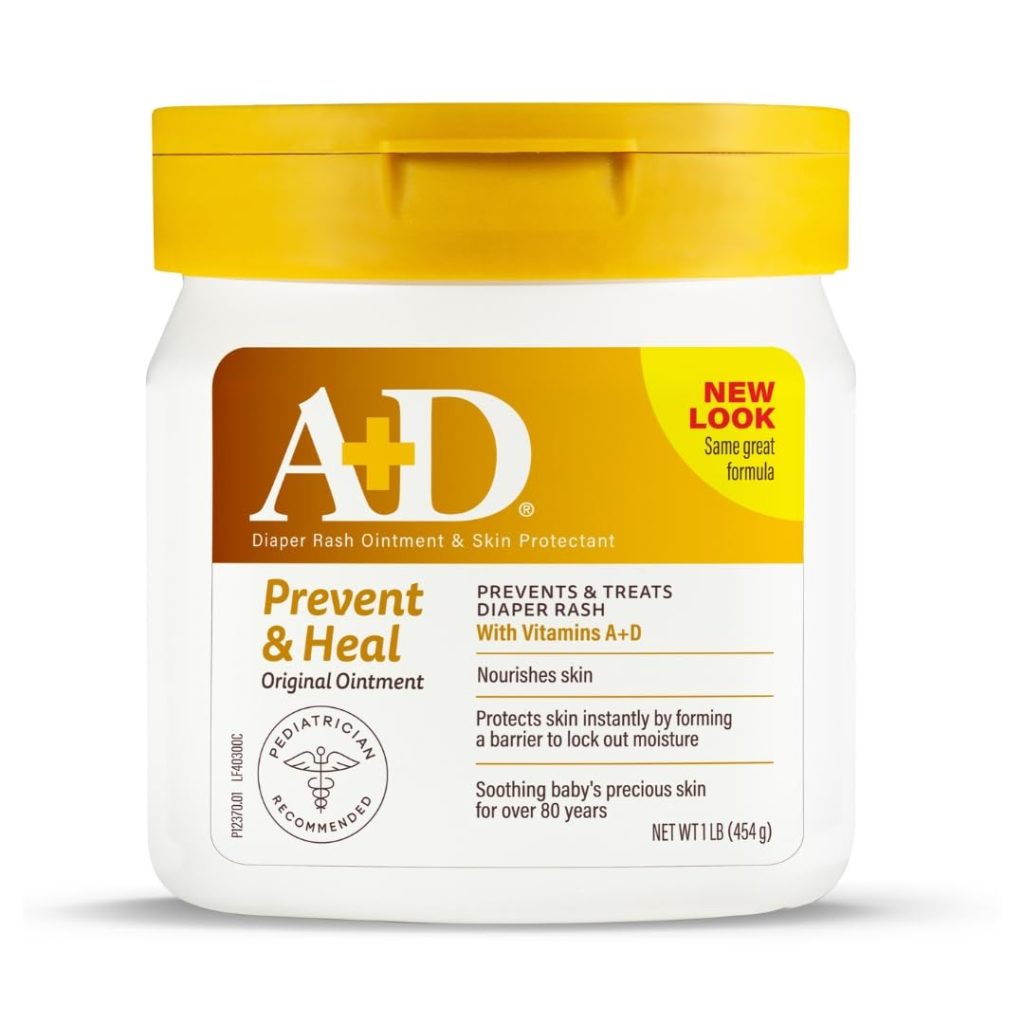
 Catalog ExampleA+D Original Diaper Rash Ointment, Prevents & Protects Diaper Rash, Moisturizes & Heals Dry Skin With Vitamins A&D,…