Moisturize Baby Skin
Moisturize Baby Skin currently has one product listing on this page. Review the current label, package details, directions, and seller information before deciding whether the item fits what you are looking for. The product belongs to its respective brand and seller, not BabySkincare.net.

Product listings may link to third-party retailers or sellers. BabySkincare.net does not manufacture or directly sell the products shown here.
What to Review on This Moisturize Baby Skin Listing
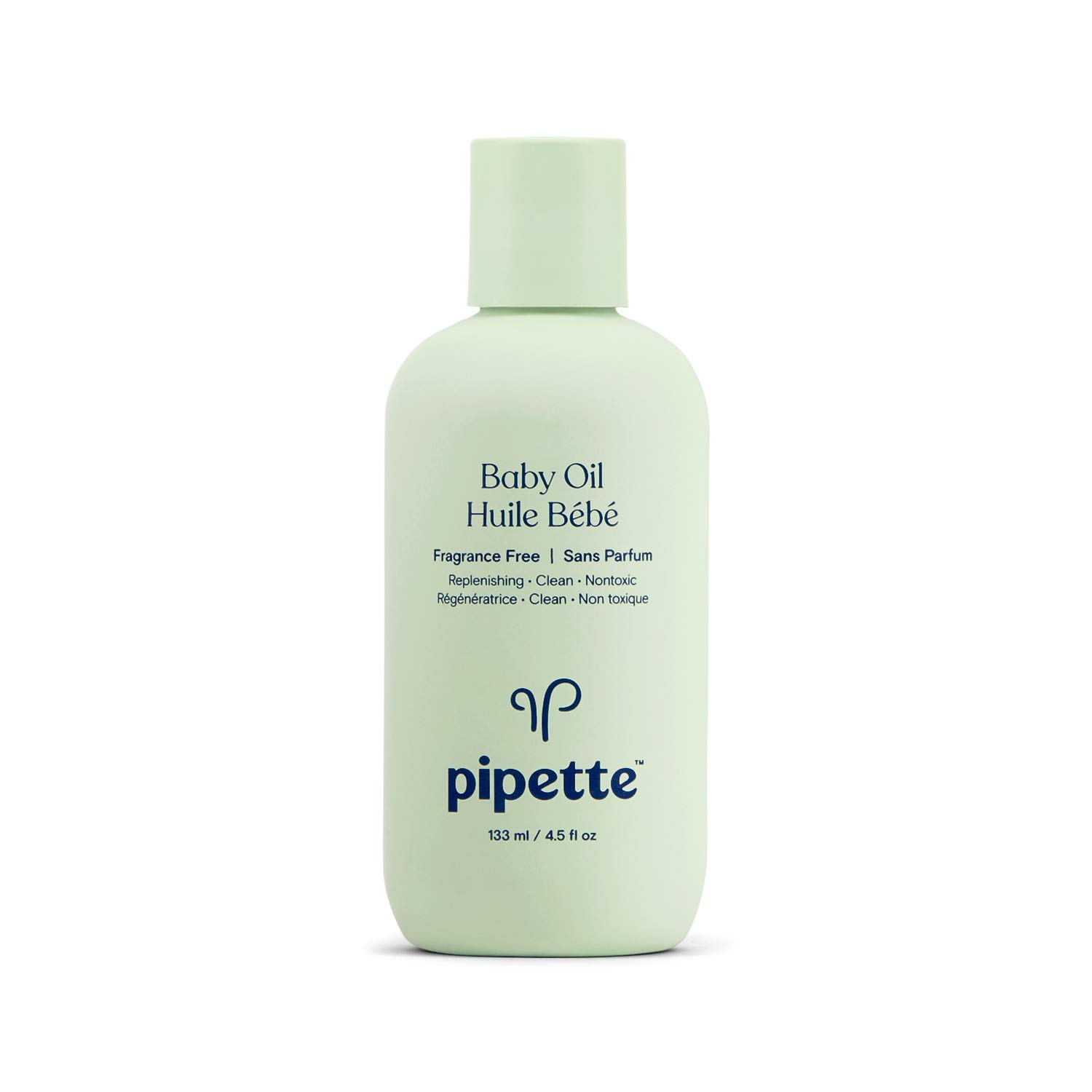
This page currently contains one product listing: Pipette Baby Oil - Nurture, Moisturize Baby Skin, Vitamin E, Sensitive, Dry Skin, Fragrance Free with Renewable Plant-Derived Squalane, 4.5 fl oz. With a single listing, the goal is not to create a false comparison. Use the page to identify the product and then verify the current package, label directions, warnings, quantity, and seller information. A closely related product page to compare is Pipette Baby Oil.
Compare Oil Type, Intended Use and Packaging
Oil listings may be intended for massage, body moisture, hair or scalp care, or cleansing. Check the current ingredient list, fragrance information, intended use area, package size, and directions rather than assuming every oil serves the same routine. You can also review Earth Mama Baby Oil when comparing current formula, format, package, and label details.
- Intended use: massage, body, hair, scalp, or cleansing
- Current ingredient list and highlighted oils
- Fragrance or unscented wording when stated
- Bottle size, pump/dropper style, and pack count
- Directions, warnings, and age guidance
For broader context, you can also browse the Oils category. Another relevant product listing is Honest Company Body Oil.
Useful Checks Before Opening the Moisturize Baby Skin Listing
Use these checks to read the current listing more carefully without treating BabySkincare.net as the product manufacturer or seller.
Verify Fragrance-Free or Unscented Wording
Fragrance-free and unscented are label details worth checking separately from sensitive-skin or hypoallergenic wording. Confirm the current ingredient and package information. For an additional option in the same product area, compare Badger Baby Oil.
Consider the Oil Format
The oil format can affect application, portability, and package size. Compare the current container and directions rather than choosing only by brand name. Before deciding which listing best fits your needs, you may also want to review Honest Company Body Oil.
Confirm What the Oil Is For
Massage, body moisture, hair/scalp care, and cleansing oils can have different directions. Check the intended use on the current package. For independent baby-massage guidance, see HealthyChildren baby massage guidance.
About these listings: Products shown on BabySkincare.net belong to their respective brands and sellers. BabySkincare.net does not manufacture, stock, ship, or directly sell these items. Price, availability, payment, shipping, returns, and order support are handled by the retailer or seller.