A baby cleanser has a simple job: remove everyday soil without turning bath time into a complicated product routine. The harder part is choosing among liquid washes, cleansing bars, no-rinse products, oil cleansers, fragranced formulas, and sensitive-skin options that may look similar online but behave differently in use.
Start With The Kind Of Cleansing You Need
The baby cleansers includes several formats. A liquid body wash can be easy to dispense during a bath. A bar may suit families who prefer a compact format. Cleansing oils are designed around a more emollient feel, while no-rinse cleansers can serve targeted cleanup situations without functioning like a standard bath wash.
Those differences matter more than broad words such as “gentle.” If a baby is being bathed only a few times each week, a large pump bottle may last a long time. If the product is mainly for travel, a bar or smaller bottle may be more practical. If the goal is a very short newborn routine, the best answer may be using less cleanser rather than buying a more elaborate formula.
The American Academy of Dermatology advises that newborn bathing does not need to happen every day and recommends mild, fragrance-free baby soap for routine washing. That practical starting point keeps the product decision proportional to the task instead of treating cleansing as a treatment plan.
How The Main Cleanser Formats Compare
Easy to spread over larger areas and convenient in a pump bottle. Compare fragrance, foaming level, rinse feel, and whether the label is intended for body, hair, or both. A related catalog reference is baby body wash, which illustrates how product labels can differ within the same broad category.
Compact and low-spill, but the formula still matters. A “soap bar” and a syndet-style cleansing bar can have different ingredient systems and skin feel.
Often designed for a richer after-rinse feel. Do not assume the word “oil” means the product is a leave-on moisturizer; follow the rinse directions.
Useful for specific cleanup routines when the label permits. It should not automatically replace bathing or diaper-area care advice.
BabySkincare.net carries examples of each type. Baby Dove Sensitive Skin Care Baby Wash represents a fragrance-free liquid wash listing. Sebamed Baby Ultra Mild Cleansing Bar illustrates a bar format. Mustela Stelatopia Cleansing Oil shows why “oil” can refer to a rinse-off cleanser rather than a leave-on baby oil. Shoppers can also compare baby soap as a separate catalog example rather than treating every formula as interchangeable.
Ingredient Lists Explain More Than Marketing Labels
Cleanser formulas need ingredients that lift oils and soil from skin, ingredients that keep the product stable, and often ingredients that change texture, fragrance, or after-feel. Surfactants do most of the cleansing work. Humectants and emollient ingredients may change how the skin feels afterward, while fragrance or botanical extracts may matter to families avoiding known triggers.
Oat ingredients appear in several current catalog listings, including Aveeno Baby Healthy Start Nourishing Newborn Wash and other Aveeno or Baby Dove products. That does not make all oat-containing washes equivalent. One may be fragrance-free, another scented, and another positioned for a different age or skin concern.
For a deeper ingredient-reading approach, the existing wash vs soap helps separate format from formula. The practical rule is to compare the complete ingredient panel, not just one highlighted ingredient.
Fragrance, “Tear-Free,” And Sensitive-Skin Wording Need Context
Fragrance-free can be useful when a family is deliberately reducing fragrance exposure, but it is not a universal guarantee against irritation. Likewise, “hypoallergenic” is a marketing claim rather than an FDA-defined assurance that reactions cannot happen. A current ingredient list is still more informative than a single front-label phrase. The current assortment provides another comparison point in cleansing oil.
“Tear-free” should be treated as a product-positioning clue, not permission to put cleanser into the eyes. Babies move unpredictably during baths, so careful rinsing and keeping products away from the eye area still matter. If a wash causes redness or discomfort, stop using it and reassess rather than assuming the claim means the reaction is impossible.
If two cleansers meet the same basic need, compare the shortest list of differences that actually matters to your household: format, fragrance status, intended body area, bottle size, and any ingredient you already know you want to include or avoid.
Fit The Cleanser To The Bath Routine
A newborn sponge bath, a quick toddler bath, and washing sunscreen or visible dirt from an older child are different situations. Product amount and frequency should follow the current label and the child’s needs. More foam is not proof of better cleansing, and using more cleanser than needed can make rinsing harder.
If dry skin is the concern, bath duration, water temperature, cleanser choice, and moisturizer timing can all matter. The existing baby wash for dry skin guide explores that narrower use case. For newborn essentials, Newborn Bath Products is the better starting point than adding extra products by default.
A Practical Buying Checklist
- Confirm whether it is a body wash, hair-and-body wash, bar, cleansing oil, or no-rinse product.
- Read the current ingredient list and fragrance wording.
- Check age guidance, warnings, rinse directions, and eye-area instructions.
- Compare package size and dispenser style with how often the product will realistically be used.
- Do not treat “natural,” “hypoallergenic,” “pediatrician tested,” or “tear-free” as interchangeable claims.
- For persistent rash, cracking, infection signs, or significant discomfort, seek medical guidance instead of cycling through cleansers.
These listings show three different bath formats. They are comparison examples, not endorsements.
For a current wash example, compare Baby Dove wash with the live ingredient label and use directions before drawing conclusions from front-of-pack claims.
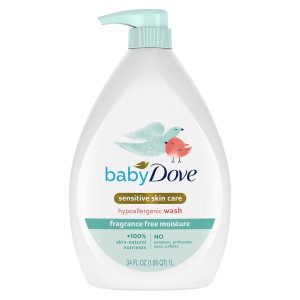 Catalog ExampleBaby Dove Sensitive Skin Care Baby Wash Fragrance Free Moisture For Baby Bath Time Fragrance Free and Hypoallergenic,…
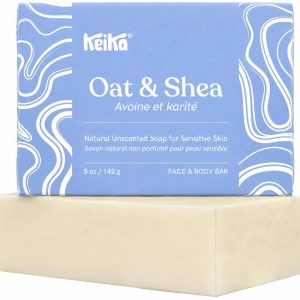 Catalog ExampleKeika Baby Soap Bar Oat & Shea Unscented for Eczema, Psoriasis, Face, Body, Infant Kids Teens Men Women…
 Catalog ExampleMustela Stelatopia Eczema-Prone Skin Cleansing Oil – Baby Body Wash with Natural Avocado & Sunflower Oil – Family…